Quick Answer
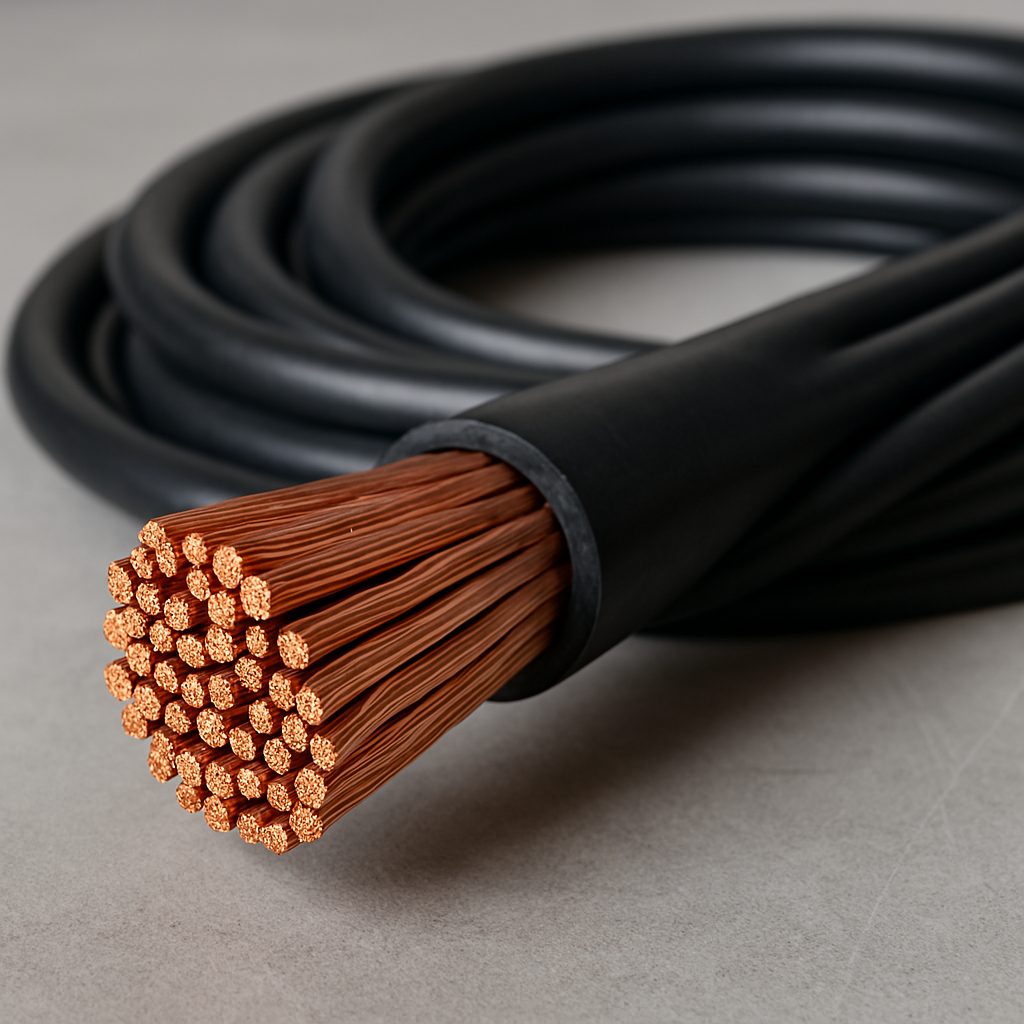
Cable jacketing materials must protect the conductor system against weather, ozone, oil/chemical exposure, flexing and mechanical damage while meeting the project’s electrical and fire requirements.
Engineering requirements
- Cable type and voltage class
- Oil/chemical exposure
- Outdoor UV/ozone
- Flexing and abrasion
- Fire/smoke requirement
- Applicable IEC/UL/EN/rail/marine standards
Recommended material families
| Material | Role / reason |
|---|---|
| CSM | Primary YQXPOLYMER material family for weatherable, chemical-resistant cable jacketing. |
Why material selection matters
CSM is evaluated mainly as a jacket/sheath material. Electrical and fire performance depends on the full compound, thickness and cable construction.
What to confirm before selecting a grade
- No. Compliance belongs to the finished compound/cable construction tested to the relevant method.
- Yes. Share the cable type, processing route, target standard and incumbent formulation/grade if available.
Application note: The final elastomer and compound must be validated in the actual medium, temperature, pressure, dynamic condition and regulatory environment. Published generic resistance rankings are screening tools, not a substitute for application testing.
Frequently asked questions
Related material pathways
Existing YQXPOLYMER product & application images