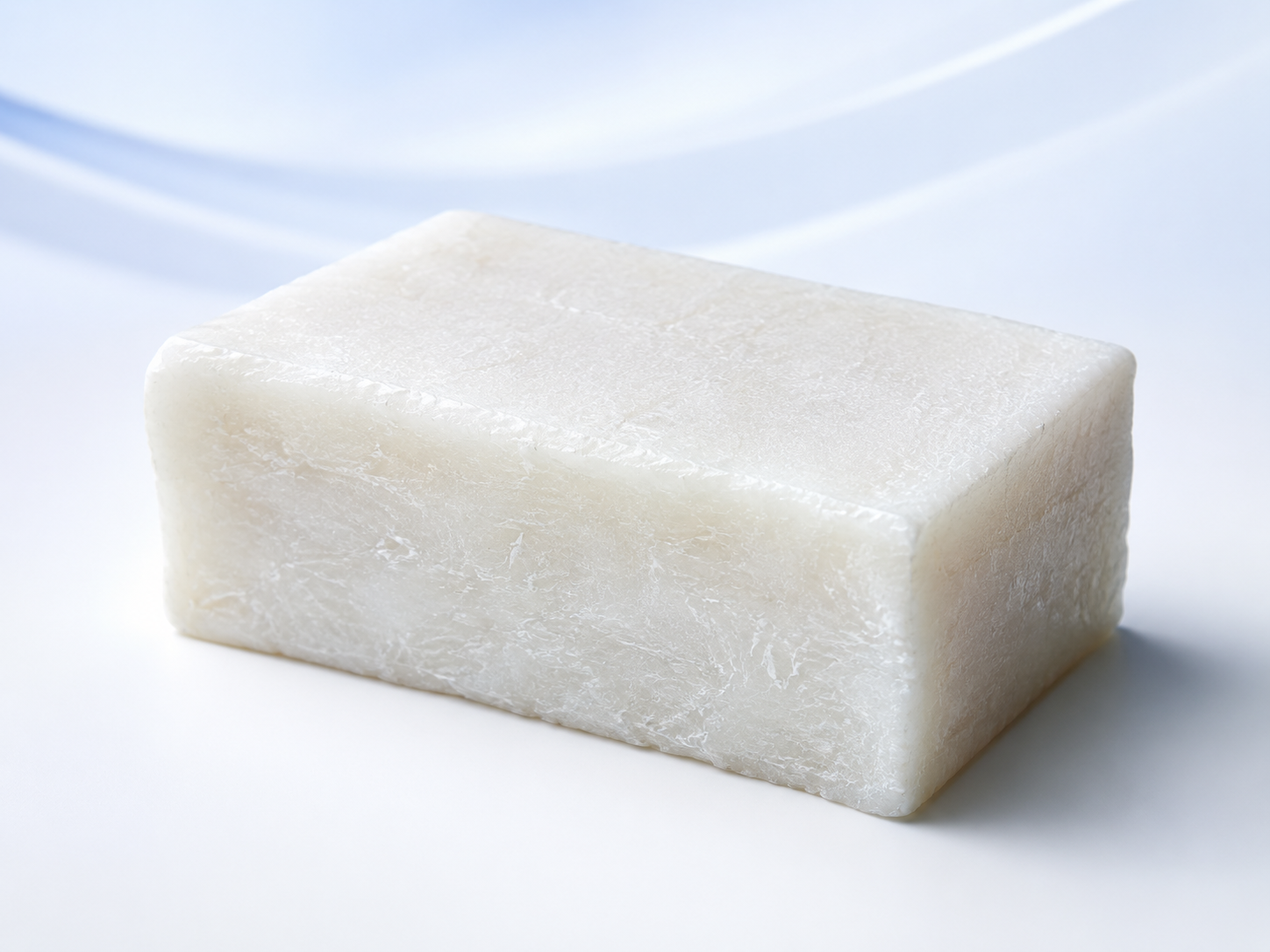
Epichlorohydrin rubber is a specialty elastomer family selected for combinations of fuel and oil resistance, low gas permeability, ozone resistance and sealing performance. CO, ECO, GECO and PECO are different polymer structures and should not be treated as interchangeable grades.
Material overview
Epichlorohydrin Rubber is a family of specialty elastomers based on epichlorohydrin chemistry, with CO, ECO, GECO and PECO variants used to tune fuel/oil resistance, permeability, low-temperature behavior, cure response and dynamic performance. YQXPOLYMER positions this material within a focused specialty-elastomer portfolio and supports customers with grade selection, technical documentation, sample evaluation and application-oriented discussions.
Why engineers consider Epichlorohydrin Rubber
Fuel and oil resistance
A key reason epichlorohydrin elastomers are evaluated for automotive and industrial fluid-contact components.
Low permeability
Useful in fuel-vapor, hose and barrier-layer applications where transmission control matters.
Balanced specialty performance
Different polymer structures allow engineers to balance low-temperature flexibility, cure response and dynamic durability.
Typical application areas
- Automotive fuel and vapor hose
- Fuel-system seals and connectors
- O-rings and gaskets
- Oil-resistant seals
- Industrial fluid-transfer components
- Dynamic sealing systems
Continue the selection process
Frequently asked questions
CO is an epichlorohydrin homopolymer; ECO incorporates ethylene oxide as a comonomer. This changes the balance between barrier/fluid resistance and flexibility. Exact results are grade- and compound-dependent.
No. GECO is a different terpolymer structure, commonly using allyl glycidyl ether as an additional monomer to alter cure and dynamic behavior. It should be selected as a different polymer type, not assumed to be a linear upgrade.
Sometimes it can be a cost/performance alternative in selected fuel, oil or permeability applications, but FKM generally occupies a different high-temperature/chemical-performance space. Validate against the actual service environment.
Technical enquiry
Need a grade recommendation?
Send the application, chemical exposure, operating temperature, processing method and target properties. YQXPOLYMER can recommend a starting material for evaluation.
Typical published technical-data snapshot
| Polymer type | Structure / published description | Mooney range | Cl (%) | Ash (%) | Moisture (%) | Density (g/cm³) |
|---|---|---|---|---|---|---|
| CO | Epichlorohydrin homopolymer | 40 / 50 / 60 | 36–38 | <1 | <1 | 1.30±0.10 |
| ECO | Epichlorohydrin / ethylene oxide copolymer | 40 / 50 / 60 | 24–27 | <1 | <1 | 1.20±0.10 |
| GECO | ECH / EO / allyl glycidyl ether terpolymer | 40–60 | 13–24 | <1 | <1 | 1.20±0.10 |
| PECO | YQXPOLYMER published description: ECH / EO / propylene oxide terpolymer | 40 / 50 / 60 | 12–18 | — | — | 1.20±0.10 |
These values summarize currently published YQXPOLYMER reference data and are intended for initial screening. Confirm the latest grade-specific TDS, test methods and commercial nomenclature before qualification or cross-supplier comparison.