Epoxy, Polyurethane, and Acrylic: A Comprehensive Material Comparison
Epoxy, polyurethane, and acrylic are three common industrial materials with distinct characteristics and applications. This article offers a comprehensive comparison of these materials, covering their chemical structures, properties, applications, and advantages and disadvantages.
Chemical Structure and Basic Properties
| Material | Chemical Structure | Key Properties |
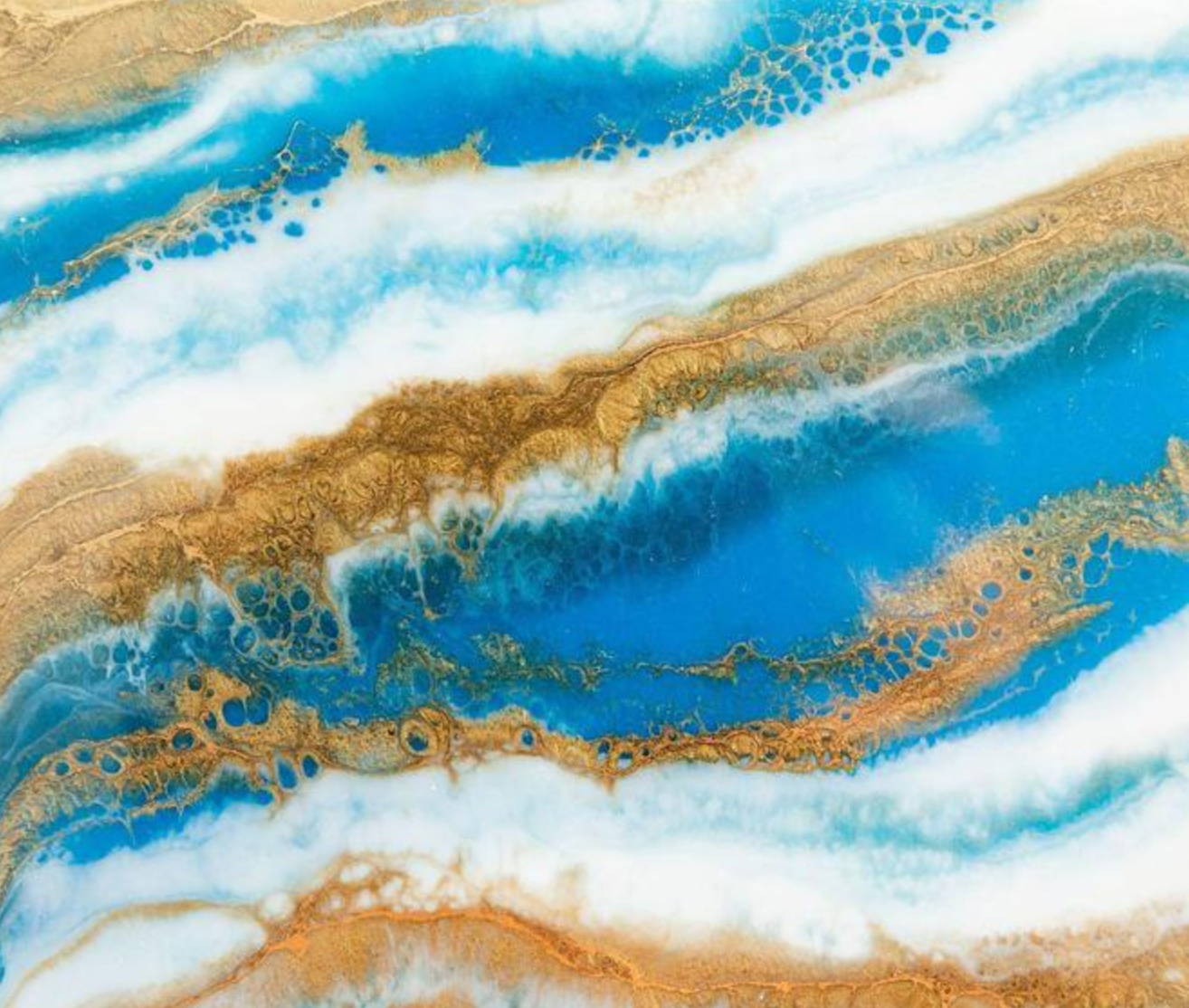
| Epoxy Resin | Contains epoxy groups | High strength, chemical resistance, strong adhesion, good electrical insulation |
| Polyurethane | Formed by the reaction of isocyanates and polyols | Good elasticity, wear resistance, oil resistance, weather resistance, good insulation |
| Acrylic | Contains acrylate groups | High hardness, good gloss, wear resistance, weather resistance, quick drying |
Performance Comparison
| Performance Index | Epoxy Resin | Polyurethane | Acrylic |
| Mechanical Properties | High strength, good toughness | Good elasticity, wear resistance | High hardness, wear resistance |
| Chemical Resistance | Acid and alkali resistant, solvent resistant | Oil and solvent resistant | Good weather resistance |
| Heat Resistance | High temperature resistant | Low temperature resistant | High temperature resistant |
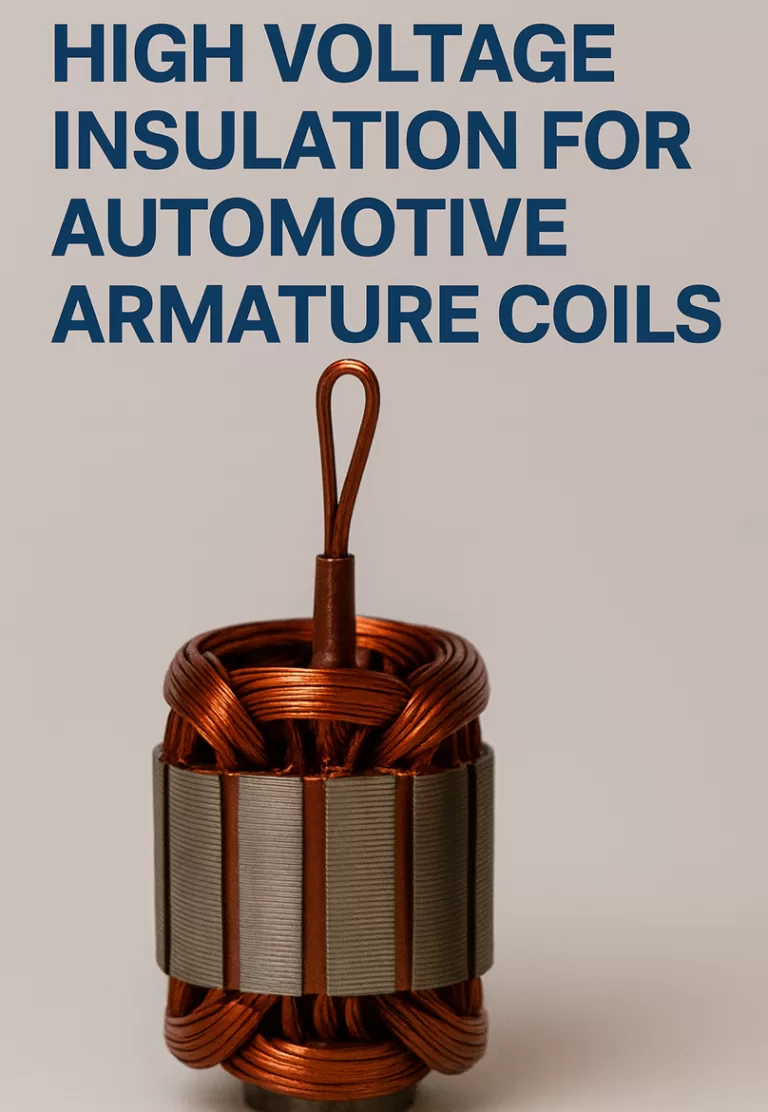
| Electrical Properties | Good insulation | General insulation | General insulation |
| Adhesion | Strong adhesion | General adhesion | General adhesion |
Application Areas
| Material | Main Application Areas |
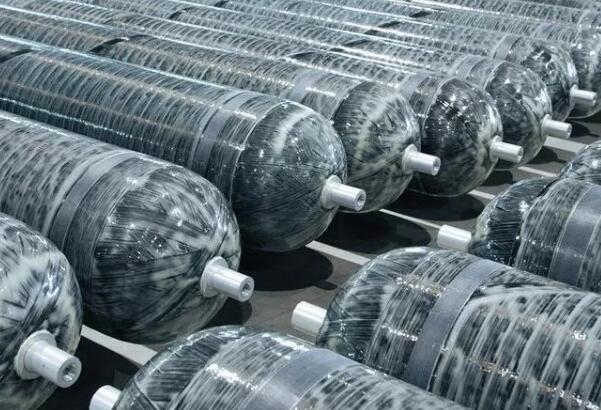
| Epoxy Resin | Electronic encapsulation, adhesives, coatings, composites, floor materials |
| Polyurethane | Foam materials, coatings, adhesives, elastomers, sealants |
| Acrylic | Coatings, adhesives, sealants, resins, inks |
Advantages and Disadvantages Comparison
| Material | Advantages | Disadvantages |
| Epoxy Resin | Excellent performance, wide applications | Long curing time, higher cost |
| Polyurethane | Good elasticity, wear resistance, weather resistance | Prone to aging, general chemical resistance |
| Acrylic | High hardness, good gloss, quick drying | Poor flexibility, general chemical resistance |
Selection Recommendations
Choosing the right material requires considering the following factors:
- Application Environment: Temperature, humidity, chemical exposure, etc.
- Performance Requirements: Strength, toughness, wear resistance, weather resistance, electrical properties, etc.
- Processing Technology: Molding methods, curing methods, etc.
- Cost: Material cost, processing cost, etc.
Conclusion
Epoxy, polyurethane, and acrylic each have their unique performance characteristics and application areas. When selecting materials, it is essential to consider the specific application requirements, comprehensively evaluate the performance, cost, and processing technology of the materials, and choose the most suitable material.
For more information about epoxy resin from YQXPOLIMER, please reach us at: [email protected] or +86-28-8411-1816.
Some pictures and texts are reproduced from the Internet, and the copyright belongs to the original author. If there is any infringement, please contact us to delete.