Introduction
When engineers and designers specify chlorosulfonated polyethylene (CSM)—often known by the DuPont trade name Hypalon®—they need fast access to chemical resistance data. CSM is renowned for exceptional weathering, ozone, and UV stability, but compatibility with chemicals varies by concentration and temperature.
This guide provides a concise, engineer-friendly chemical compatibility chart to help you make informed material decisions.

Quick Reference: Chemical Compatibility Ratings
| Chemical / Family | Typical Concentration | Temperature Range | Rating* | Notes |
| Water (distilled) | Any | ≤100 °C | Excellent | Minimal swelling, long service life |
| Hydrochloric Acid | ≤20 % | up to 80 °C | Good | Higher strength acids may degrade surface |
| Sulfuric Acid | <30 % | ≤80 °C | Fair to Good | Limit contact time at elevated temperatures |
| Acetic Acid | Dilute | ≤60 °C | Good | Avoid prolonged contact with glacial acetic |
| Sodium Hydroxide / Alkalis | Moderate | ≤50 °C | Conditional | Rinse thoroughly after exposure |
| Mineral / Petroleum Oils | Light to moderate | ≤100 °C | Fair to Poor | Swelling possible during long-term exposure |
| Alcohols (ethanol, methanol) | Moderate | ≤60 °C | Fair | Short-term use only |
| Ketones (acetone, MEK) | Any | Any | Not Recommended | Rapid degradation |
| Aromatic Hydrocarbons | Low | <60 °C | Poor | Significant swelling |
| Ozone / UV / Weathering | — | Wide | Excellent | One of CSM’s strongest advantages |
*Rating Key: Excellent – minimal change; Good – minor effect; Fair – noticeable change, short-term use; Poor – not recommended.
Engineering Guidelines
- Always test under actual service conditions. Laboratory ratings provide guidance, but field variables—pressure, stress, contamination—can change outcomes.
- Consider blends. For demanding chemical exposure, CSM can be co-vulcanized with CR, EPDM, or NBR to optimize cost and performance.
- Mind the temperature curve. Even a compatible chemical can become aggressive as temperatures rise.
- Plan for lifecycle costs. CSM’s long outdoor life and low maintenance often offset a higher initial material cost.
See how CSM compares to other elastomers → CSM vs. EPDM vs. FKM
Why Choose YQXPOLYMER CSM
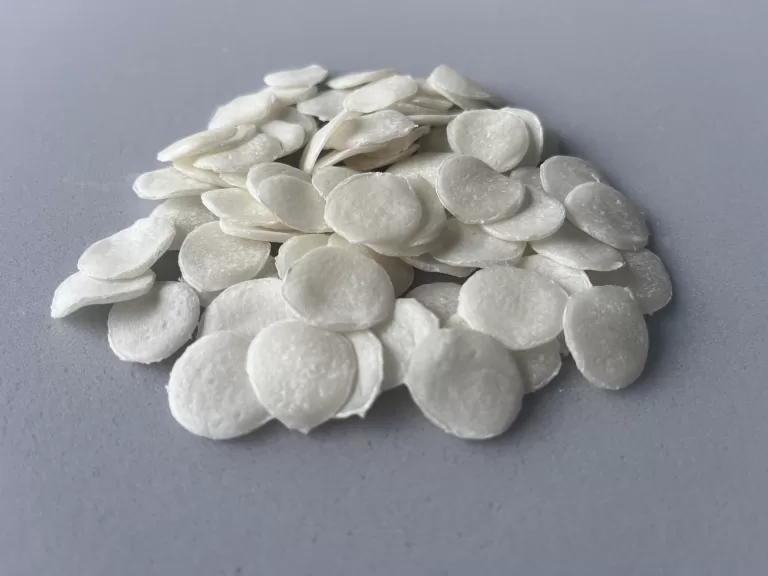
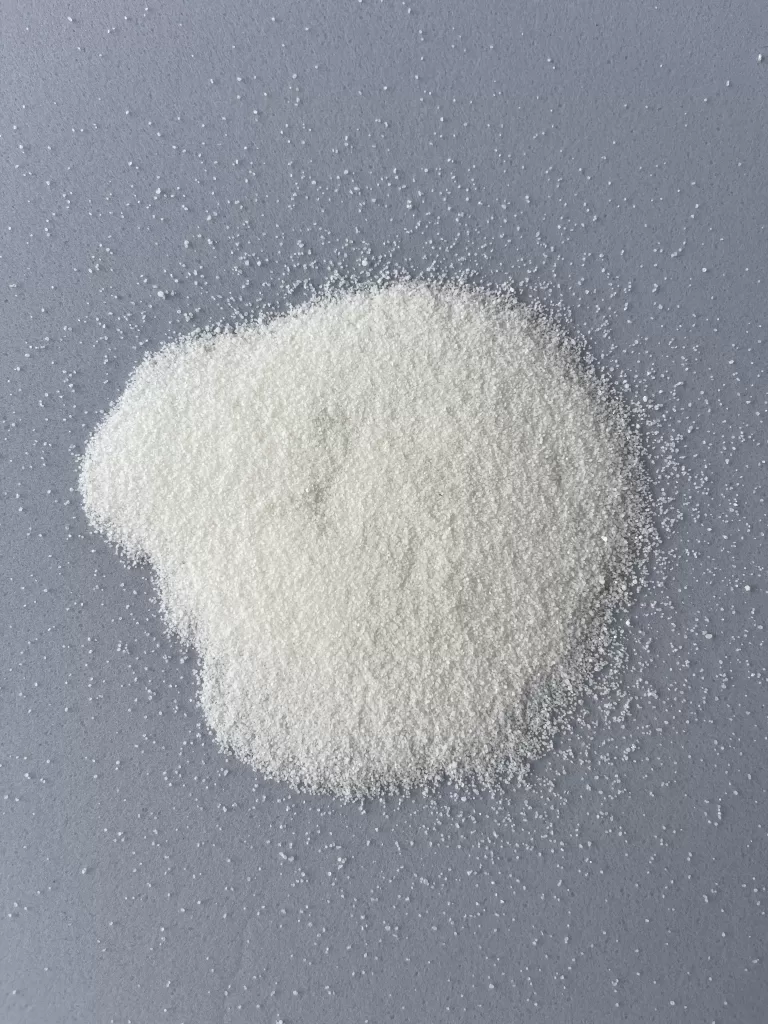
YQXPOLYMER offers high-purity CSM grades like YQX-CSM-30L that deliver:
- Consistent viscosity and controlled particle size
- Excellent dispersion for coatings, linings, and seals
- Certified compliance with REACH, RoHS, and ISO 9001 standards
View all grades → YQXPOLYMER CSM Products
Applications That Benefit
- Marine & Offshore – chemical-resistant liners, inflatable boats
- Chemical Processing – tank linings, flexible joints
- Infrastructure – roofing membranes, bridge expansion joints
- Transportation – gaskets, protective coatings
Learn more → CSM in Marine & Offshore Applications
Contact Our Technical Team
Need detailed guidance or project-specific testing?
Email: [email protected]
Phone / WeChat: +86-135-4070-2776