Introduction
Selecting the right elastomer is critical in industrial environments where materials must withstand chemicals, heat, UV radiation, and aggressive operating conditions.
Two commonly used elastomers in industrial sealing, cable protection, coatings, and hoses are:
- CSM (Chlorosulfonated Polyethylene Rubber)
- CR (Chloroprene Rubber / Neoprene)
Although both materials offer strong weather resistance and mechanical performance, they differ significantly in chemical resistance and long-term durability.
This updated 2026 comparison from YQXPOLYMER analyzes the differences between CSM and CR to help engineers, procurement teams, and material designers select the most suitable elastomer for demanding industrial applications.
What is CSM (Chlorosulfonated Polyethylene)?
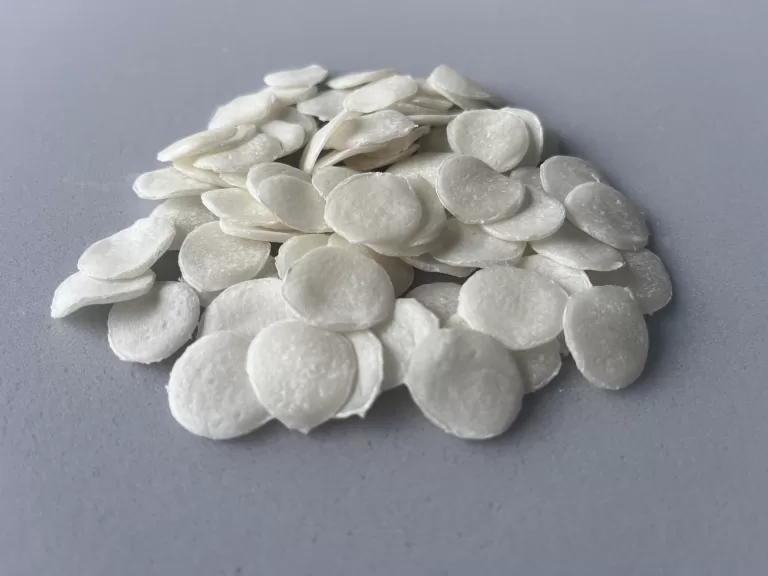
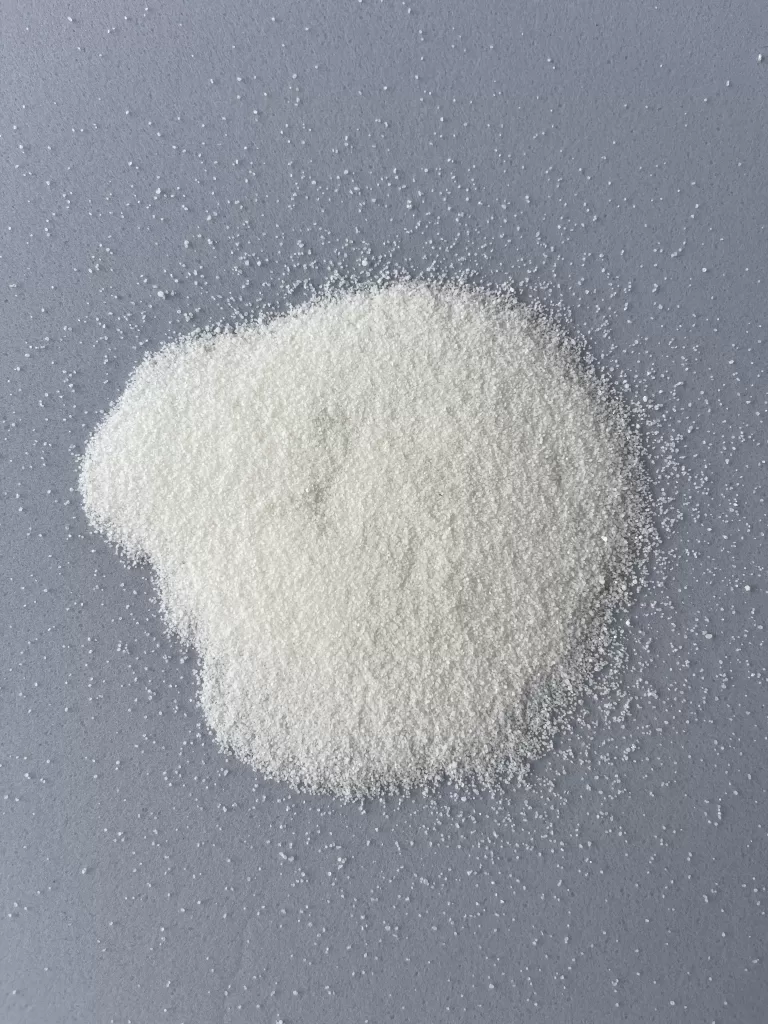
CSM is a synthetic rubber produced by chlorinating polyethylene and introducing sulfonyl groups into the polymer structure.
This unique molecular structure gives CSM several important characteristics:
- Excellent chemical resistance
- Outstanding UV and ozone stability
- Superior acid and oxidizing agent resistance
- Long-term weather durability
CSM has historically been known under the trade name Hypalon®, and today it remains a preferred material in industries that require long service life in harsh environments.

Typical CSM applications include:
- Chemical plant hoses
- Industrial cable jackets
- Marine and offshore coatings
- Corrosion-resistant membranes
- Industrial roofing materials
What is CR (Chloroprene Rubber)?
CR, commonly called Neoprene, is produced by polymerizing chloroprene monomers.
CR is widely used due to its balanced properties, including:
- Good mechanical strength
- Moderate chemical resistance
- Good oil resistance
- Reliable weather resistance
- Flame retardant characteristics
CR is often used as a general-purpose industrial elastomer and is widely applied in automotive and mechanical products.
Typical applications include:
- Automotive hoses
- Industrial belts
- Seals and gaskets
- Protective covers
- Vibration isolation components
Chemical Resistance Comparison
The primary difference between CSM and CR appears when materials are exposed to aggressive chemical environments.
Chemical Resistance Overview
| Chemical Environment | CSM Performance | CR Performance |
| Strong acids | Excellent | Moderate |
| Alkalis | Excellent | Good |
| Oxidizing chemicals | Excellent | Moderate |
| Saltwater / marine exposure | Excellent | Good |
| Lubricating oils | Moderate | Good |
| Hydrocarbon fuels | Limited | Moderate |
| UV / ozone | Excellent | Good |
CSM typically performs better in corrosive chemical environments, especially where strong oxidizing agents or acids are present.
CR performs well in general industrial environments, but may degrade faster when exposed to aggressive chemicals for extended periods.
Swelling Resistance and Chemical Stability
Another important indicator of chemical resistance is volume swelling after chemical exposure.
CSM Performance
CSM compounds typically demonstrate:
- Lower swelling rates
- Stable mechanical strength
- Long-term surface integrity
These properties make CSM suitable for:
- chemical storage systems
- cable insulation
- corrosion-resistant coatings
- industrial membranes
CR Performance
CR generally performs well under moderate conditions, but strong oxidizing chemicals may cause:
- polymer degradation
- increased swelling
- reduced mechanical strength
Therefore, CR is often used where chemical exposure is limited or intermittent.
Heat and Environmental Durability
In many applications, chemical resistance must be combined with resistance to heat and weather.
Environmental Performance Comparison
| Property | CSM | CR |
| Continuous temperature resistance | up to approx. 150°C | approx. 120–140°C |
| UV resistance | Excellent | Good |
| Ozone resistance | Excellent | Good |
| Weather aging resistance | Excellent | Good |
Because of its excellent environmental durability, CSM is widely used in outdoor infrastructure and long-life industrial products.
Industrial Applications
Applications Where CSM is Preferred
CSM is widely selected for environments where chemical exposure and weathering occur simultaneously.
Typical industries include:
- chemical processing plants
- offshore engineering
- cable and wire protection
- industrial roofing systems
- corrosion protection coatings
- marine structures
Its ability to resist acids, oxidizing agents, UV radiation, and ozone makes CSM a high-performance industrial elastomer.
Applications Where CR is Preferred
CR remains popular in many industrial products because it provides a balanced performance at a competitive cost.
Typical CR applications include:
- automotive rubber components
- industrial belts
- vibration dampers
- protective sleeves
- moderate-duty hoses
CR is often selected when mechanical durability and oil resistance are the primary requirements.
When Should Engineers Choose CSM Instead of CR?
CSM is generally recommended when the application requires:
- strong chemical resistance
- long-term outdoor exposure
- high ozone resistance
- resistance to oxidizing agents
- marine or coastal environments
CR is suitable when:
- chemical exposure is moderate
- mechanical flexibility is required
- cost efficiency is important
Industry Outlook (2026–2030)
As industries move toward longer equipment lifetimes and harsher operating conditions, demand for high-performance elastomers continues to increase.
Key growth sectors include:
- offshore renewable energy
- hydrogen infrastructure
- chemical manufacturing
- industrial electrification
In these environments, materials must withstand corrosive chemicals, UV radiation, and extreme temperatures, which is driving increasing interest in CSM compounds.
Conclusion
Both CSM and CR remain important materials in modern industry, but their optimal applications differ.
CR (Chloroprene Rubber)
Suitable for general industrial applications with moderate chemical exposure and strong mechanical requirements.
CSM (Chlorosulfonated Polyethylene)
Offers superior resistance to chemicals, UV radiation, ozone, and weathering, making it ideal for harsh industrial environments.
For applications involving aggressive chemicals or long-term outdoor exposure, CSM compounds often provide a more durable solution.
About YQXPOLYMER
YQXPOLYMER develops advanced polymer materials for demanding industrial environments, including:
- Chlorosulfonated Polyethylene (CSM)
- Epoxy resin systems
- High-performance polymer composites
Our materials are designed to provide long-term chemical resistance, mechanical durability, and reliability in harsh operating conditions.
Contact YQXPOLYMER
Company: YQXPOLYMER
Email: [email protected]
Phone / WeChat:
+86-135-4070-2776
Website:
www.yqxpolymer.com
Compliance Notice
- The information in this article is based on publicly available technical data and industry references.
- Actual performance may vary depending on formulation, processing, and operating conditions.
- Users should conduct appropriate testing to verify suitability for specific applications.