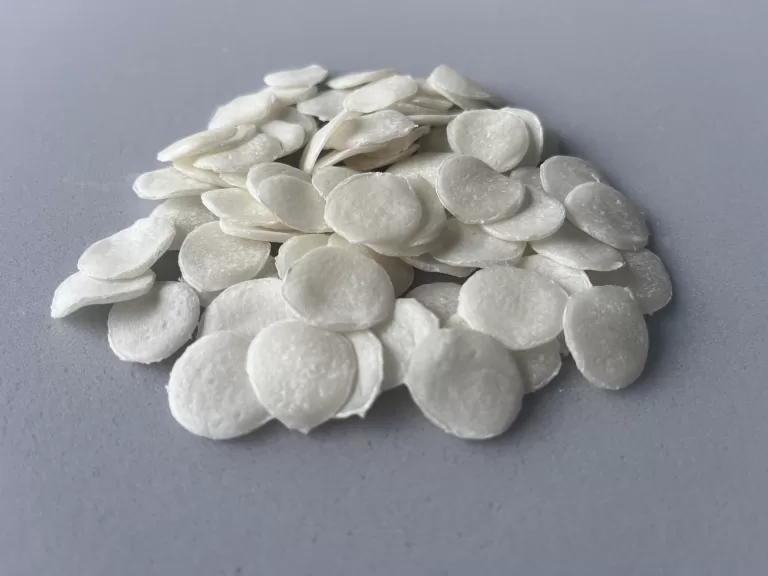
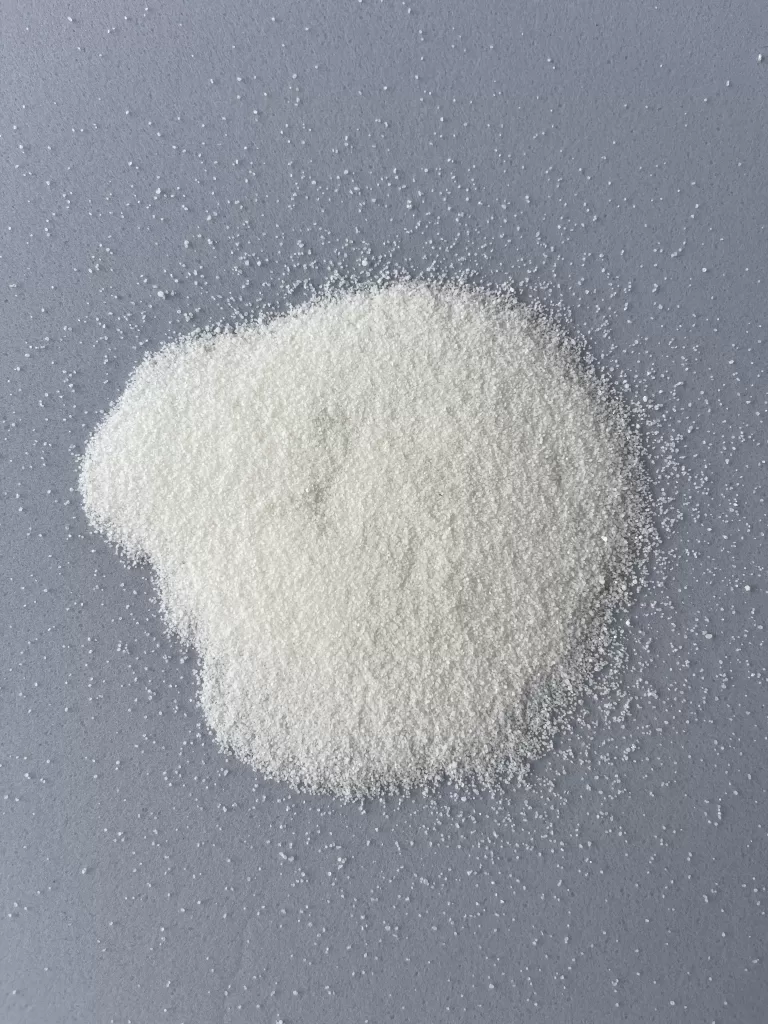
CSM Vulcanization Systems and Processing Guidelines (2026)
- Introduction: Why Vulcanization Systems Matter for CSM
Chlorosulfonated polyethylene (CSM) is a high-performance elastomer known for its:
- Excellent weather resistance
- Outstanding chemical resistance
- Strong mechanical durability
It is widely used in:
- Marine anti-corrosion coatings
- Wire and cable jacketing
- Industrial rubber components
- Waterproofing systems
Unlike traditional rubbers, CSM does not contain unsaturated double bonds, meaning its crosslinking relies primarily on:
- Chlorine groups (–Cl)
- Sulfonyl chloride groups (–SO₂Cl)
👉 This makes the selection of vulcanization systems critical to final performance.
- Main Types of CSM Vulcanization Systems
2.1 Metal Oxide Curing System (Industry Standard)

Typical Formulation
- Magnesium oxide (MgO)
- Zinc oxide (ZnO) or lead oxide (PbO)
- Organic acids or epoxy modifiers
Mechanism
Neutralization of HCl generated during curing promotes crosslink formation.
Advantages
- Stable processing behavior
- Cost-effective
- Widely adopted in industrial production
Applications
- Cable sheathing
- Industrial rubber products
- Protective coatings
2.2 Peroxide Curing System (High-Performance Applications)
Typical System
- DCP (Dicumyl peroxide)
- Co-agents (e.g., TAIC)
Key Features
- Superior thermal resistance
- Excellent electrical insulation
- Heavy-metal-free system
Applications
- High-end cable insulation
- New energy systems
- High-temperature sealing materials
2.3 Sulfur-Based Systems (Limited Use)
⚠️ Note:
CSM has limited reactivity with sulfur systems and is typically used only in:
- Blended rubber systems
- Specialized formulations
2.4 Resin Curing Systems
Materials Used
- Phenolic resins
- Epoxy resins
Advantages
- Enhanced thermal stability
- Improved chemical resistance
- Strong crosslink network
- Performance Comparison of Curing Systems
| Curing System | Heat Resistance | Mechanical Strength | Cost | Environmental Profile |
| Metal Oxide | Medium | High | Low | Moderate |
| Peroxide | High | High | Medium | Excellent |
| Resin | High | Medium | Medium | Excellent |
| Sulfur | Low | Medium | Low | Moderate |
👉 Market Trend (2026):
- Shift toward heavy-metal-free systems
- Increasing demand for low-VOC formulations
- Growth in renewable energy and marine sectors
- Key Processing Considerations for CSM
4.1 Mixing Temperature Control
- Recommended: ≤ 110°C
- Avoid premature crosslinking (scorching)
Common issues:
- Reduced flowability
- Early curing
4.2 Filler Selection and Dispersion
Recommended fillers:
- Carbon black (reinforcement)
- Silica (heat resistance)
- Aluminum hydroxide (flame retardancy)
👉 Uniform dispersion is critical for consistent mechanical properties.
4.3 Anti-Scorch Design
Additives recommended:
- Anti-scorch agents
- Antioxidants
Especially important for:
- Extrusion processes
- Continuous production lines
4.4 Moisture Control
CSM is sensitive to moisture:
- Raw materials should be dry
- Control humidity during processing
Potential defects:
- Surface bubbles
- Structural inconsistencies
4.5 Extrusion and Calendering Parameters
- Processing temperature: 80–110°C
- Maintain stable die temperature
- Avoid excessive shear
- Application-Oriented Formulation Recommendations
5.1 Marine Anti-Corrosion Coatings
Recommended system:
- Metal oxide + resin hybrid system
Benefits:
- Salt spray resistance
- UV stability
5.2 Wire & Cable Applications
Recommended system:
- Peroxide curing system
Advantages:
- Low smoke
- High insulation performance
5.3 Industrial Sealing Products
Recommended system:
- MgO-based system + carbon black
Benefits:
- Balanced cost-performance
- Stable mechanical strength
- YQXPOLYMER CSM Material Solutions
YQXPOLYMER offers high-purity, performance-consistent CSM grades, including:
- YQX-CSM-30L (Spray-grade powder)
- Custom particle size and activity control
- Tailored compatibility with different curing systems
Key Advantages
- Batch-to-batch consistency
- Optimized chlorine content and reactivity
- Technical support for formulation development
- Conclusion: Integrated Optimization from Material to Process
The performance of CSM compounds depends not only on the base polymer but also on:
👉 Curing system selection + processing control
Future directions include:
- Heavy-metal-free formulations
- Low-emission systems
- Expansion into energy, marine, and infrastructure sectors
Contact Us | YQXPOLYMER
YQXPOLYMER
Advanced Polymer & CSM Rubber Solutions
📧 Email: [email protected]
📞 Phone / WeChat: +86-135-4070-2776 | +86-135-8634-6868
🌐 Website: www.yqxpolymer.com
📍 Address: No. 2088, Jiuliting Avenue, Caoqiao Street, Pinghu City, Zhejiang Province, China
Compliance Disclaimer
- All data provided are typical values for reference only and should be verified through customer-specific testing.
- This content does not constitute any legal guarantee or product warranty.
- No direct comparison with third-party brands is intended.
- Environmental and performance claims should be validated by third-party testing where required.