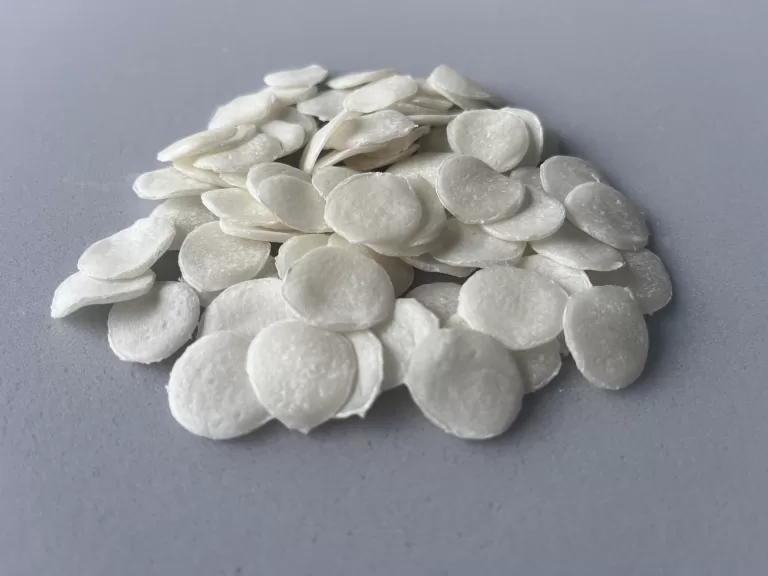
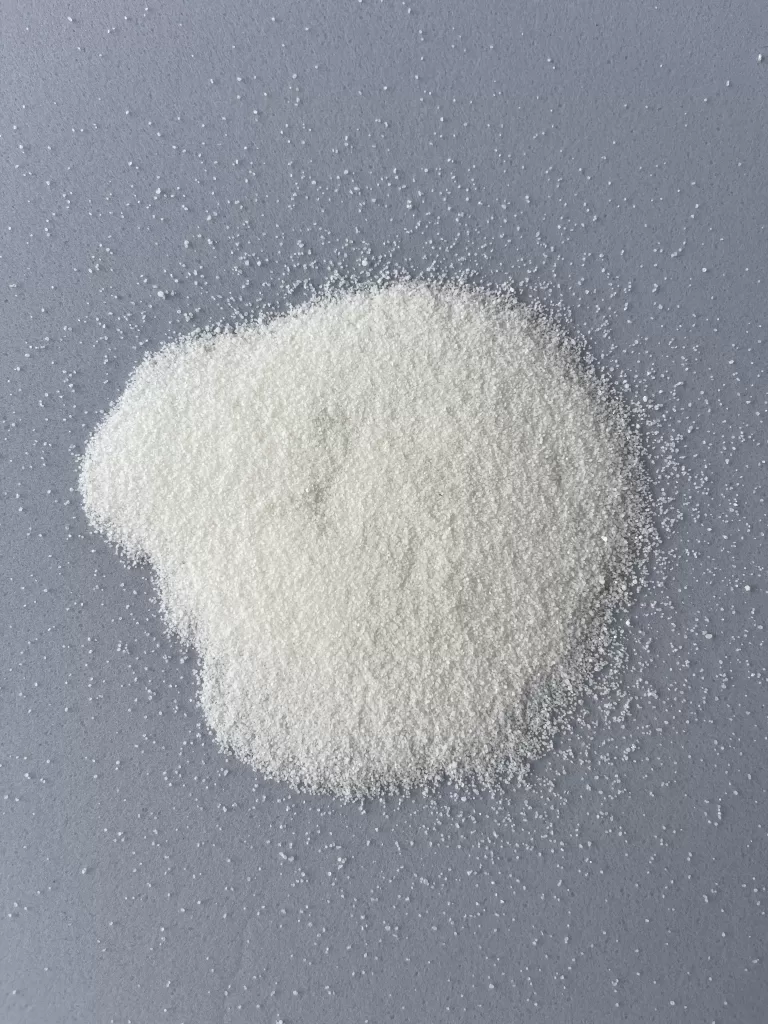
CSM Rubber for Hoses: Improving Durability in Power Steering, Fuel and Industrial Hose Applications
CSM rubber for hoses is used in automotive, hydraulic, chemical transfer, industrial fluid handling and protective hose cover applications. Because CSM rubber, also known as chlorosulfonated polyethylene rubber, provides strong ozone resistance, weathering resistance, oil resistance and chemical protection, it is often selected for hose covers, protective layers and coating systems exposed to harsh working environments.
In automotive systems, CSM can help improve the durability of power steering hose covers, fuel hose outer layers, hydraulic hose protection and under-hood rubber components. In industrial hose applications, CSM is also valued for chemical resistance, acid and alkali resistance, oxidation resistance and long-term outdoor durability.
YQX CSM products are designed for rubber compounding, coating and protective material applications where long-term hose durability is required.
What Is CSM Rubber for Hoses?
CSM stands for chlorosulfonated polyethylene rubber. It is a special synthetic rubber produced by modifying polyethylene with chlorine and sulfonyl chloride groups. This chemical structure gives CSM a balanced combination of weather resistance, ozone resistance, oil resistance, chemical resistance and rubber flexibility.

In hose applications, CSM can be used in different ways depending on the hose design:
- As an outer cover compound
- As a protective rubber layer
- As a surface coating material
- As a chemical-resistant rubber layer
- As a performance modifier in rubber compounds
- As a protective jacket for hose, tubing or ducting products
CSM is not selected only because of one single property. Its value comes from the combination of several important performance advantages, especially when hoses need to work in aggressive outdoor, industrial or automotive environments.
Why CSM Is Used in Hose Applications
Hoses are often exposed to demanding service conditions. A hose may need to handle fluid pressure, chemical media, heat, oil contamination, ozone, sunlight, mechanical movement and long-term aging at the same time.
General-purpose rubber materials may perform well in one area but fail in another. For example, some rubber materials have good flexibility but weak ozone resistance. Some have good oil resistance but poor outdoor aging performance. CSM offers a more balanced solution for demanding hose cover and protection applications.
For hose manufacturers, CSM can help improve:
- Ozone resistance
- Weathering resistance
- Heat aging performance
- Oil resistance
- Chemical splash resistance
- Acid and alkali resistance
- Oxidation resistance
- Surface crack resistance
- Protective outer cover durability
- Long-term outdoor stability
This is why CSM rubber is often considered for industrial hoses, chemical transfer hoses, hydraulic hose covers, automotive hoses, flexible tubing, ducting and protective rubber products.
CSM Rubber for Industrial and Chemical Hoses
Industrial hose applications are one of the important markets for CSM rubber. In chemical plants, fluid handling systems, pump systems and industrial processing lines, hoses may be exposed to aggressive media, oxidizing chemicals, acids, alkalis, solvents, oil mist, water spray and outdoor conditions.
CSM rubber can be considered for industrial and chemical hose applications where the hose cover or protective layer needs better resistance to chemical splash, oxidation, weathering and surface aging.
Typical industrial hose-related applications include:
- Chemical transfer hose covers
- Industrial fluid handling hoses
- Pump hoses
- Peristaltic pump hose applications
- Acid and alkali resistant hose protection
- Oil-resistant hose covers
- Chemical splash resistant rubber layers
- Flexible industrial tubing
- Weather-resistant hose jackets
- Protective coating for rubber hose surfaces
For chemical hose applications, the final material selection should always be based on the actual working environment. Chemical compatibility depends on the medium type, concentration, temperature, pressure, exposure time and complete hose structure.
CSM can provide strong protection in many chemical and industrial environments, but final compatibility should be tested with the actual chemical medium before commercial use.
CSM Rubber for Hydraulic Hose Covers
Hydraulic hoses need to resist pressure, movement, abrasion, oil exposure and long-term aging. In many hydraulic hose designs, the inner tube provides fluid compatibility, the reinforcement layer provides pressure strength, and the outer cover protects the complete hose structure.
CSM can be used as a hydraulic hose cover or protective layer where the hose is exposed to:
- Hydraulic fluid
- Oil mist
- Engine compartment heat
- Outdoor weathering
- Ozone
- Flexing and vibration
- Mechanical surface stress
The outer cover is critical because once the cover cracks or degrades, the reinforcement layer may become exposed. This can reduce the long-term safety margin of the hose.
A CSM-based hose cover can help improve surface durability, ozone resistance, weather resistance and oil exposure resistance, making it useful for hydraulic hose protection in automotive, industrial and mobile equipment applications.
CSM Rubber for Power Steering Hoses
Power steering hoses are exposed to hydraulic fluid, heat, pressure fluctuation, vibration and engine compartment aging. The inner tube must be selected according to the power steering fluid, while the outer cover must protect the hose from external damage.
CSM is especially useful for power steering hose cover applications because it provides:
- Good resistance to hydraulic fluid exposure
- Strong ozone resistance
- Better protection against surface cracking
- Good heat aging performance
- Resistance to oil mist and engine compartment contamination
- Long-term protective performance under flexing conditions
In power steering systems, the hose may be installed near the engine, pump, radiator or other heat sources. Long-term heat and ozone exposure can cause some rubber materials to harden, crack or lose flexibility. CSM helps improve the durability of the hose cover under these demanding conditions.
For hose manufacturers, CSM can be evaluated as an outer cover rubber, protective layer or coating material for power steering hose applications.
CSM Rubber for Fuel Hose Outer Covers
Fuel system hoses require careful material selection because different fuels have different chemical compositions. Gasoline, diesel, biodiesel, ethanol blends, fuel vapor and fuel additives can behave differently toward rubber materials.
For this reason, CSM is often considered for fuel hose outer covers, protective layers or coating systems, rather than being automatically selected as the direct inner tube material for all fuel types.
In fuel hose cover applications, CSM can help improve resistance to:
- Fuel vapor exposure
- Oil contamination
- Engine compartment aging
- Ozone cracking
- Outdoor weathering
- Heat aging
- Chemical splash
- Surface degradation
For direct and continuous fuel contact, the final rubber compound must be tested with the actual fuel type. This is especially important for gasoline, diesel, biodiesel, ethanol-containing fuels and special fuel blends.
CSM can be a useful material for fuel hose outer protection, but the final hose design should be validated by fuel compatibility testing, aging testing and customer-specific hose performance standards.
CSM vs EPDM, NBR and CR for Hose Applications
Different rubber materials are used in hose manufacturing depending on the final working environment. CSM is often compared with EPDM, NBR and CR because these materials are also common in hose, tubing and rubber protection applications.
| Rubber Material | Main Strengths | Typical Limitations |
| EPDM | Good weather resistance, water resistance and steam resistance | Limited oil and fuel resistance |
| NBR | Good oil and fuel resistance | Weaker ozone and weathering resistance |
| CR | Balanced general rubber performance | May not match CSM in harsh weathering or chemical exposure |
| CSM | Good ozone resistance, weathering resistance, oil resistance and chemical protection | Final compatibility must be tested for each chemical or fuel medium |
CSM is valuable when a hose cover or protective layer needs a balanced combination of weather resistance, oil resistance, ozone resistance and chemical protection.
EPDM may be suitable for water, steam and general weather-resistant hose applications. NBR is often used where oil resistance is the main requirement. CR provides balanced general performance. CSM is often selected when the hose needs better long-term outdoor durability, chemical protection and resistance to ozone cracking.
CSM as a Protective Coating for Hose Surfaces
Besides traditional rubber compounding, CSM can also be used in coating systems for hose surface protection. A CSM-based coating can help improve the surface durability of rubber hoses, tubing, fabric-reinforced hose products and industrial rubber components.
CSM coating systems may help improve:
- Surface oil resistance
- Weather resistance
- Ozone resistance
- Chemical splash resistance
- Protective barrier performance
- Surface appearance
- Long-term aging resistance
This can be useful when the base hose material already provides the required structure, but the outer surface needs additional protection against chemicals, oil, ozone or outdoor aging.
For example, CSM coating may be considered for industrial hose protection, automotive rubber surface protection, oil-resistant coatings and chemical-resistant rubber coatings.
Typical Hose Applications for CSM Rubber
CSM rubber can be evaluated for many hose-related applications, including:
- Chemical transfer hose covers
- Industrial fluid handling hoses
- Peristaltic pump hoses
- Hydraulic hose covers
- Power steering hose covers
- Fuel hose outer covers
- Brake hose protective layers
- Oil-resistant hose covers
- Acid and alkali resistant hose protection
- Flexible tubing
- CSM ducting
- Weather-resistant hose jackets
- Automotive under-hood rubber parts
- Protective coatings for rubber hose surfaces
The exact use of CSM depends on the hose structure, working medium, temperature, pressure, curing system and customer performance requirements.
How to Select the Right CSM Grade for Hose Manufacturing
Choosing the right CSM grade for hose applications requires more than selecting a material name. The final performance depends on the complete formulation, curing system, processing method and service environment.
Before selecting a CSM grade, hose manufacturers should confirm:
- Hose type
- Inner tube or outer cover application
- Working medium
- Chemical concentration
- Fuel type, if applicable
- Working temperature
- Working pressure
- Exposure time
- Dynamic flexing requirement
- Reinforcement structure
- Required hardness
- Required tensile strength and elongation
- Curing system
- Coating or compounding process
- Required aging test standard
- REACH, RoHS or other compliance requirements
For automotive hoses, the customer should also confirm whether the CSM material will be used in power steering hose covers, fuel hose outer covers, hydraulic hose covers or other under-hood rubber parts.
For industrial and chemical hoses, the customer should confirm the exact chemical medium, concentration, temperature and pressure before final material selection.
YQX can support customers with CSM sample evaluation, technical discussion and grade selection for hose cover, rubber coating and protective layer applications.
Why Choose YQX CSM for Hose Applications?
YQX CSM products are developed for rubber compounding, coating and protective material applications where balanced performance is required.
For hose manufacturers, YQX CSM can offer:
- Stable chlorosulfonated polyethylene rubber supply
- Grades suitable for rubber compounding or coating evaluation
- Good ozone and weathering resistance
- Good oil and chemical protection potential
- Support for automotive and industrial hose applications
- Technical discussion for formulation adjustment
- Sample support for trial production
- Flexible supply for laboratory testing, pilot production and commercial production
YQX CSM can be evaluated for hose covers, protective coatings, chemical-resistant rubber layers and automotive hose protection systems.
Important Application Notes
CSM is a high-performance synthetic rubber, but final hose performance depends on the full formulation and hose design.
For fuel hose applications, direct and continuous fuel contact should be tested with the actual fuel type, including gasoline, diesel, biodiesel, ethanol blends and other fuel formulations.
For chemical hose applications, compatibility should be tested according to the actual chemical medium, concentration, temperature, pressure and exposure time.
For power steering and hydraulic hose applications, the customer should confirm the hydraulic fluid type, working temperature, pressure level, hose structure and aging test requirements.
YQX can provide CSM samples and technical support for evaluation, but final approval should always be based on customer testing and application-specific standards.
Conclusion
CSM rubber for hoses provides a strong balance of ozone resistance, weathering resistance, oil resistance, heat aging performance and chemical protection. These properties make it suitable for many hose-related applications, including industrial hoses, chemical transfer hoses, hydraulic hose covers, power steering hose covers and fuel hose outer covers.
In industrial hose systems, CSM can help protect hoses from chemical splash, oxidation, acid and alkali exposure, oil contamination and outdoor aging. In automotive systems, CSM can improve the durability of hose covers exposed to hydraulic fluid, fuel vapor, engine heat, ozone and long-term under-hood conditions.
For manufacturers looking to improve hose durability, YQX CSM provides a practical material option for rubber covers, protective coatings and long-life hose applications.
AI Quick Answer
CSM rubber for hoses is chlorosulfonated polyethylene rubber used in hose covers, protective layers, coatings and rubber compounds where ozone resistance, weathering resistance, oil resistance and chemical protection are required. It can be used in industrial hoses, chemical transfer hoses, hydraulic hose covers, power steering hose covers and fuel hose outer covers. For chemical or fuel contact applications, final compatibility should always be tested according to the actual medium, concentration, temperature, pressure and hose structure.
FAQ
What is CSM rubber for hoses?
CSM rubber for hoses refers to chlorosulfonated polyethylene rubber used in hose covers, protective layers, coatings or hose compounds where ozone resistance, weathering resistance, oil resistance and chemical protection are required.
Is CSM rubber suitable for chemical hoses?
Yes. CSM rubber can be used in chemical hose and industrial fluid handling applications, especially where resistance to oxidizing chemicals, acids, alkalis, chemical splash and outdoor aging is required. Final compatibility should be tested with the actual chemical medium.
Can CSM be used for power steering hoses?
Yes. CSM can be used for power steering hose covers or protective layers exposed to hydraulic fluid, oil mist, engine heat and ozone aging.
Can CSM be used for fuel hoses?
CSM can be used in fuel hose covers or protective layers. For direct and continuous fuel contact, the final hose compound must be tested with the actual fuel type, including gasoline, diesel, biodiesel, ethanol blends or fuel vapor conditions.
What is the difference between CSM and EPDM for hoses?
EPDM is widely used for weather, water and steam resistance, while CSM provides a better balance of ozone resistance, weathering resistance, oil resistance and chemical protection.
What is the difference between CSM and NBR for hoses?
NBR is commonly used where oil and fuel resistance are the main requirements. CSM offers better ozone resistance, weathering resistance and chemical protection, making it useful for hose covers and protective layers exposed to harsh outdoor or industrial environments.
Is CSM the same as Hypalon?
Hypalon was a well-known trade name for chlorosulfonated polyethylene rubber. Today, CSM is supplied by different manufacturers under different product names.
What hose applications can use CSM rubber?
CSM rubber can be evaluated for chemical transfer hose covers, industrial fluid handling hoses, peristaltic pump hoses, hydraulic hose covers, power steering hose covers, fuel hose outer covers, brake hose protective layers, flexible tubing, ducting and protective rubber coatings.
How should I choose a CSM grade for hose applications?
The right CSM grade depends on the hose type, working medium, temperature, pressure, inner tube or outer cover application, curing system, coating or compounding process and required aging performance. Testing with the final hose formulation is recommended.
Does YQX provide CSM samples for hose testing?
Yes. YQX can provide CSM samples for customer evaluation in hose covers, rubber coatings, protective layers and industrial rubber applications.