Epichlorohydrin Elastomer Explained: A Specialty Rubber for Fuel Resistance and High-Performance Sealing Applications
Introduction: Why Specialty Elastomers Are Needed in Modern Automotive Systems
Automotive rubber components are facing increasingly demanding operating conditions.
Modern vehicles require sealing materials that can withstand:
- Fuel exposure
- Oil and lubricant contact
- Temperature variations
- Ozone and weather aging
- Long-term compression and vibration
Traditional elastomers such as:
- NBR (Nitrile Butadiene Rubber)
- EPDM (Ethylene Propylene Diene Monomer)
- FKM (Fluoroelastomer)
each offer specific advantages, but selecting the right material depends on the balance between:
- Chemical resistance
- Temperature performance
- Permeability control
- Mechanical durability
- Cost efficiency
Epichlorohydrin elastomer has become an important specialty rubber solution for applications where fuel resistance, low permeability and long-term sealing reliability are critical.
What Is Epichlorohydrin Elastomer?
Epichlorohydrin elastomer is a family of specialty synthetic rubbers based on epichlorohydrin polymer structures.
The presence of chlorine-containing polymer chains provides unique properties including:
- Excellent resistance to hydrocarbon fuels
- Low gas permeability
- Good resistance to oils and chemicals
- Superior ozone and weather resistance
Compared with many conventional rubber materials, epichlorohydrin elastomers offer a balanced performance profile for demanding sealing applications.
Main Types of Epichlorohydrin Elastomers
Epichlorohydrin elastomers are generally classified according to their molecular structure and monomer composition.
The main types include:
- CO (Homopolymer Epichlorohydrin Rubber)
- ECO (Epichlorohydrin Ethylene Oxide Copolymer)
- GECO (Glycidyl Ether Modified Epichlorohydrin Rubber)
- PECO (Propylene Oxide Modified Epichlorohydrin Rubber)
Different grades provide different balances of:
- Fuel resistance
- Flexibility
- Low-temperature performance
- Mechanical strength
- Dynamic durability
CO Rubber: High Gas Barrier Performance
What is CO Rubber?
CO rubber is an epichlorohydrin homopolymer mainly characterized by excellent impermeability and chemical resistance.
Key Advantages:
- Very low gas permeability
- Excellent ozone resistance
- Good weather aging resistance
- Good sealing stability
Typical Applications:
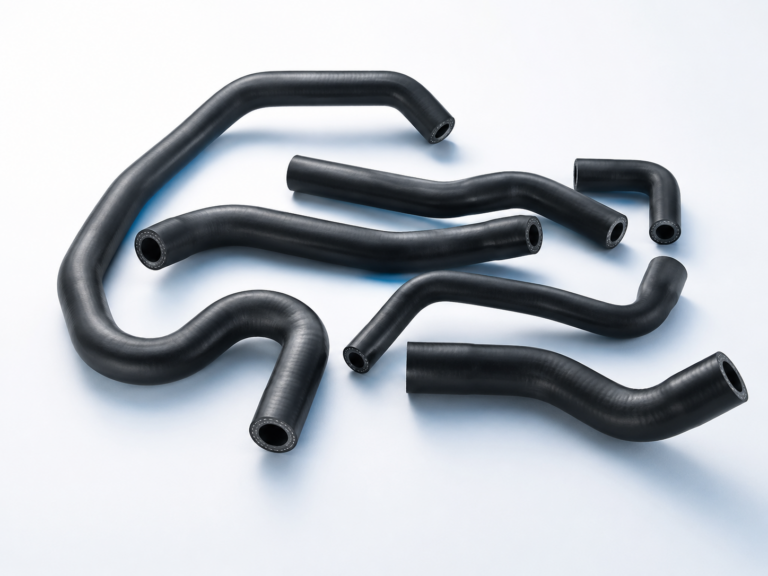
- Fuel vapor hoses
- Barrier layers
- Sealing components
- Specialty rubber parts
ECO Rubber: Balanced Fuel Resistance and Flexibility
What is ECO Rubber?
ECO rubber is an epichlorohydrin copolymer combining epichlorohydrin with ethylene oxide.
It is one of the most widely used epichlorohydrin elastomers due to its balanced performance.
Main Performance Advantages:
| Performance | Benefit |
| Fuel Resistance | Excellent resistance to gasoline and fuel vapors |
| Oil Resistance | Suitable for contact with automotive fluids |
| Low Gas Permeability | Helps reduce fuel vapor transmission |
| Ozone Resistance | Improves long-term durability |
| Flexibility | Maintains sealing performance under dynamic conditions |
Typical Applications:
- Automotive fuel hoses
- Fuel vapor control systems
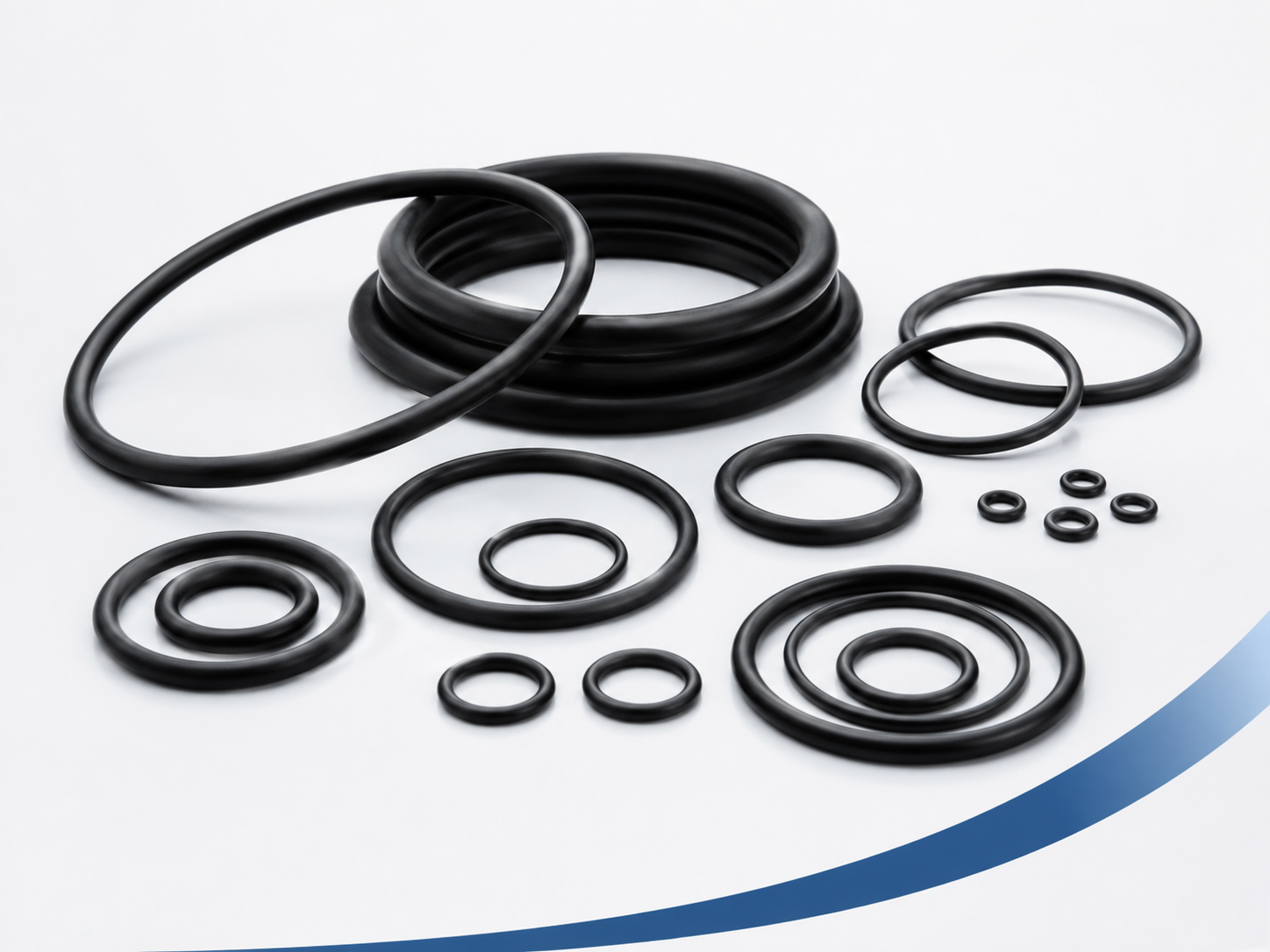
- O-rings
- Gaskets
- Oil-resistant seals
GECO Rubber: Enhanced Dynamic Performance
What is GECO Rubber?
GECO rubber incorporates glycidyl ether components into the epichlorohydrin polymer structure.
Compared with standard ECO, GECO can provide improved balance in:
- Dynamic flexibility
- Low-temperature performance
- Processing characteristics
Applications:
- Dynamic sealing components
- Automotive vibration-resistant parts
- Specialty hose applications
PECO Rubber: Improved Elasticity and Mechanical Balance
What is PECO Rubber?
PECO rubber incorporates propylene oxide units into the polymer structure.
It provides a balance between:
- Elastic recovery
- Mechanical strength
- Chemical resistance
Applications:
- Industrial seals
- Automotive components
- Specialty rubber products
Key Advantages of Epichlorohydrin Elastomer
- Excellent Fuel Resistance
Fuel system components are exposed to:
- Gasoline
- Diesel
- Ethanol-containing fuels
- Fuel vapors
Epichlorohydrin elastomers help maintain:
- Dimensional stability
- Mechanical properties
- Sealing reliability
making them suitable for automotive fuel-related applications.
- Low Gas Permeability
One of the most important advantages of epichlorohydrin rubber is its low permeability.
This property helps reduce:
- Fuel vapor transmission
- Gas leakage
- Emission-related losses
which is increasingly important for modern automotive systems.
- Good Oil and Chemical Resistance
Epichlorohydrin elastomers demonstrate resistance against:
- Automotive oils
- Lubricants
- Hydraulic fluids
- Industrial chemicals
providing reliable performance in challenging environments.
- Excellent Ozone and Aging Resistance
Long-term outdoor and automotive exposure requires durable rubber materials.
Epichlorohydrin elastomers provide:
- Ozone resistance
- Weather resistance
- Aging stability
helping extend component service life.
Epichlorohydrin Elastomer vs NBR, EPDM and FKM
| Material | Fuel Resistance | Oil Resistance | Gas Permeability | Typical Applications |
| NBR | Good | Excellent | Medium | Oil seals, hydraulic applications |
| EPDM | Limited | Poor | Good | Cooling systems, weather seals |
| FKM | Excellent | Excellent | Good | High-performance sealing |
| ECO | Excellent | Good | Excellent | Fuel hoses, vapor control, seals |
Epichlorohydrin elastomers provide a practical balance between performance and cost for applications requiring fuel resistance and low permeability.
Automotive Applications of Epichlorohydrin Elastomers
Fuel Hose Applications
Fuel hoses require:
- Fuel resistance
- Low permeability
- Long-term flexibility
ECO and related epichlorohydrin elastomers are widely considered for:
- Fuel lines
- Vapor hoses
- Fuel system sealing components
O-Rings and Gaskets
For sealing applications, materials must maintain performance under:
- Compression
- Temperature changes
- Chemical exposure
Typical components include:
- O-rings
- Gaskets
- Valve seals
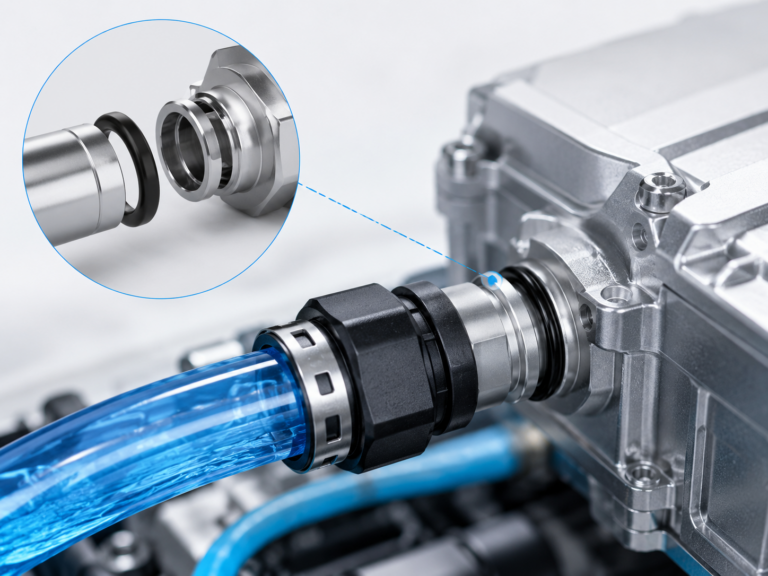
- Connectors
EV Thermal Management Applications
Electric vehicles introduce new requirements for sealing systems, especially in:
- Battery thermal management
- Cooling circuits
- Fluid control components
Depending on system requirements, specialty elastomers such as epichlorohydrin-based materials may provide advantages including:
- Fluid resistance
- Aging durability
- Reliable sealing performance
Why Choose YQXPOLYMER Epichlorohydrin Elastomer Solutions?
YQXPOLYMER focuses on providing specialty elastomer materials for demanding industrial applications.
Our product portfolio includes:
- CO Rubber
- ECO Rubber
- GECO Rubber
- PECO Rubber
Applications include:
✓ Automotive sealing systems
✓ Fuel hoses
✓ O-rings and gaskets
✓ Industrial rubber components
✓ Specialty elastomer solutions
With material expertise and application-focused support, YQXPOLYMER helps customers select suitable elastomer solutions for challenging environments.
Conclusion
Epichlorohydrin elastomer is a specialty rubber family designed for applications requiring:
- Fuel resistance
- Low gas permeability
- Oil resistance
- Ozone durability
- Long-term sealing reliability
From automotive fuel systems to industrial sealing applications, ECO, CO, GECO and PECO elastomers provide a valuable solution where conventional rubber materials may not meet performance requirements.
YQXPOLYMER delivers specialty elastomer solutions engineered for reliable performance in demanding applications.