- Industrial Damping & Noise Control: A Growing Global Requirement
Across global industries, noise and vibration control is no longer a comfort issue alone—it directly affects equipment reliability, structural safety, regulatory compliance, and lifecycle cost.
Common challenges include:
- Rotating machinery (motors, compressors, pumps) causing structural resonance
- Steel structures amplifying low-frequency vibration
- Marine and offshore environments combining vibration with corrosion
- Transportation and heavy equipment requiring improved NVH performance
Conventional damping materials such as NR, SBR, or PVC-based sheets often face limitations in aging resistance, chemical stability, and long-term damping consistency.

This is where YQXCSMMER CSM-604 offers a reliable industrial alternative.
- CSM-604: Engineered for Stable Damping Performance
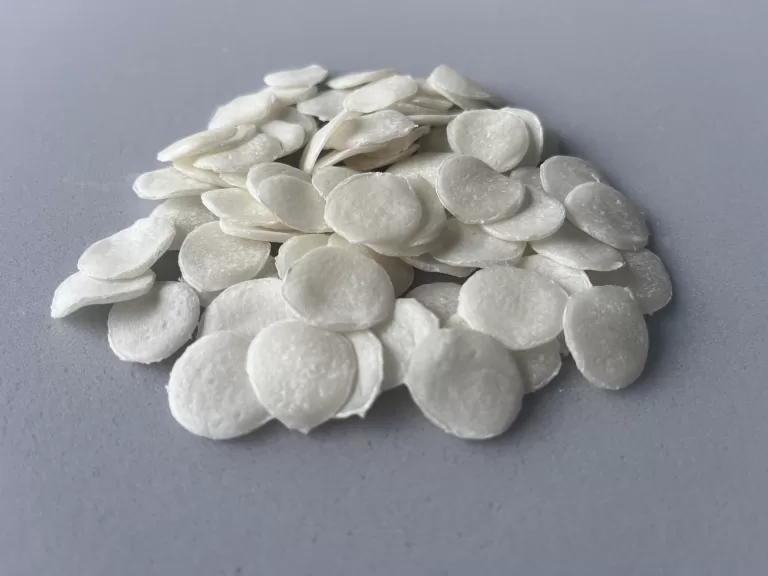
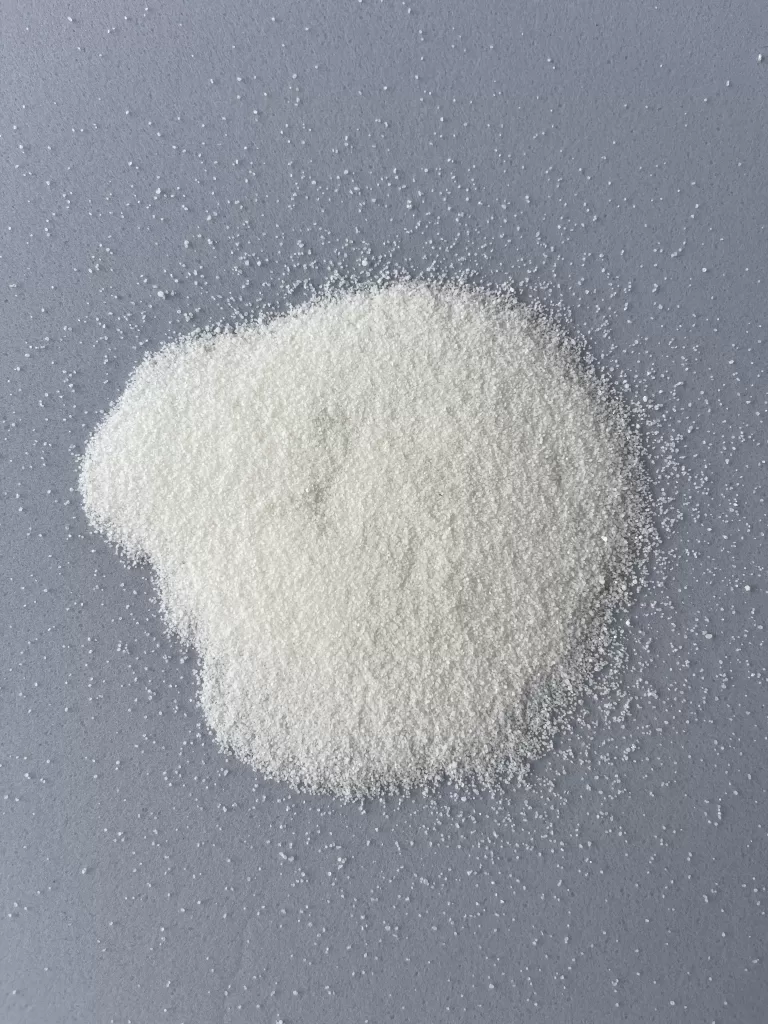
CSM-604 is a medium-to-high modulus chlorosulfonated polyethylene grade developed for structural damping and vibration attenuation in demanding industrial environments.
Key Material Characteristics
- High damping loss factor
Converts mechanical vibration energy into thermal dissipation - Stable dynamic modulus
Maintains consistent damping behavior across typical industrial frequency ranges - Excellent aging resistance
Resistant to ozone, UV exposure, and weathering - Chemical & oil resistance
Suitable for environments with lubricants, fuels, and industrial fluids - Good adhesion & lamination compatibility
Can be bonded or laminated with metals, fabrics, and composite substrates
- Typical Damping Applications of CSM-604
3.1 Industrial Machinery Damping Pads & Layers
Applications
- Compressors, blowers, pumps
- Electric motors and drive units
- CNC machines and heavy equipment
Implementation
- Calendered damping sheets
- Metal–rubber composite structures
- Base isolation or intermediate damping layers
Benefits
- Reduced resonance and vibration transmission
- Improved operational stability
- Extended service life of mechanical components
3.2 Building & Steel Structure Vibration Control
Use Cases
- Steel beam connection interfaces
- Equipment-to-structure contact zones
- Mechanical rooms and vibration isolation bases
Why CSM-604
- More stable than conventional rubber over long service periods
- Suitable for permanent installations where replacement is difficult
3.3 Marine & Offshore Vibration Damping
In high-humidity, salt spray, and continuous vibration environments, CSM-604 offers:
- Resistance to cracking and hardening
- Stable damping behavior over time
- Suitability for:
- Engine room damping layers
- Structural vibration control
- Offshore module equipment supports
3.4 Rail Transit & Heavy Equipment NVH Solutions
CSM-604 can be applied as:
- Damping sheets
- Constrained-layer damping components
- Functional layers in composite NVH systems
Supporting:
- Vehicle body vibration reduction
- Powertrain noise control
- Equipment enclosure damping
- CSM-604 vs. Conventional Rubber Materials
| Performance Aspect | Conventional Rubber | CSM-604 |
| Damping stability over time | Moderate | High |
| Weather & ozone resistance | Limited | Excellent |
| Oil & chemical resistance | Moderate | Excellent |
| Outdoor service life | Medium | Long |
| Industrial reliability | General-purpose | Industrial-grade |
Summary:
CSM-604 is designed for long-term, reliability-critical damping applications, rather than short-cycle or disposable uses.
- Technical Support Beyond Materials
YQXCSMMER provides application-oriented support, including:
- Damping material selection guidance
- Hardness and formulation adjustment suggestions
- Bonding, lamination, and processing recommendations
- Support for NVH-oriented system design
- Contact Information
YQXCSMMER® — Industrial CSM Material Solutions
📧 Email: [email protected]
📞 Phone / WeChat: +86-135-4070-2776
🌐 Website: www.yqxpolymer.com