CSM Polymer for Industrial Rubber Compounding: Improving Durability and Service Life
Industrial rubber products are often used in harsh working environments. Hose covers, cable jackets, seals, gaskets, rubber sheets, linings, coated fabrics, rollers, and molded parts may be exposed to ozone, UV radiation, chemicals, oils, heat, abrasion, moisture, and repeated mechanical stress.
When the rubber compound is not properly designed, downstream products may crack, harden, swell, lose elasticity, or fail earlier than expected. For industrial equipment manufacturers and rubber product producers, this can lead to shorter service life, higher maintenance frequency, and greater downtime risk.
For this reason, the selection of rubber raw materials is a critical part of industrial rubber compounding.
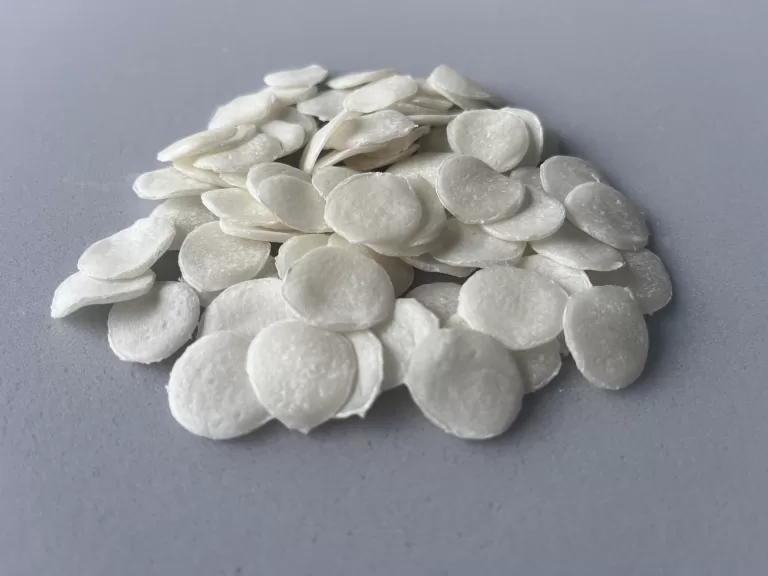
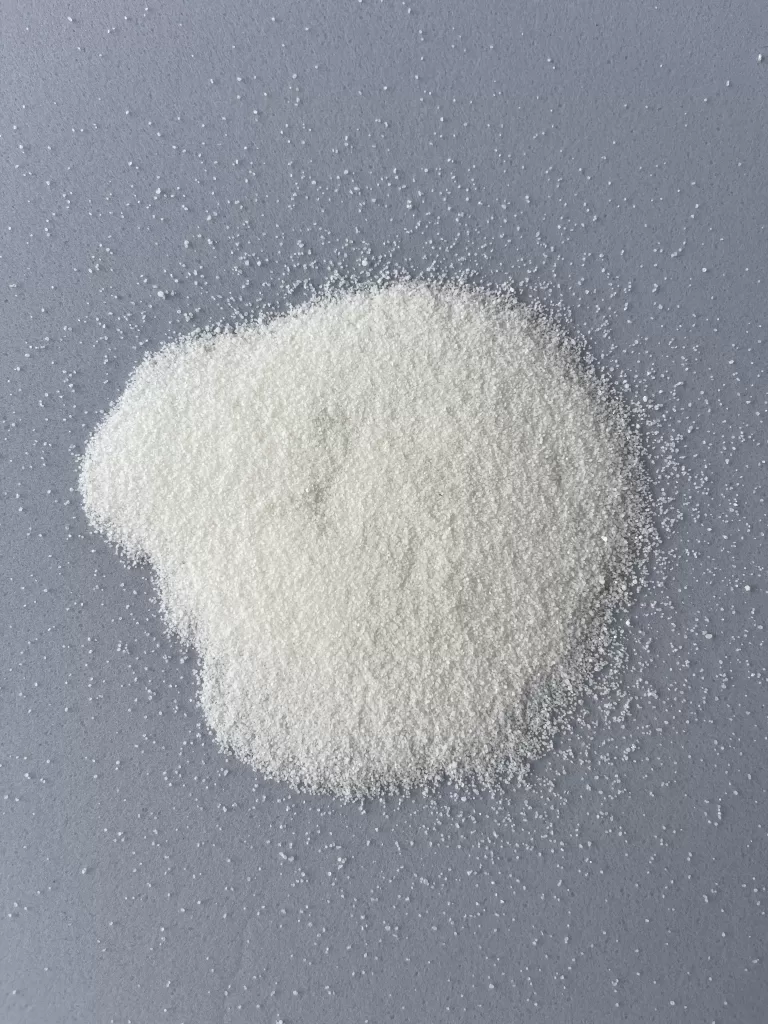
CSM polymer, also known as chlorosulfonated polyethylene polymer or CSPE, is a high-performance synthetic rubber raw material used to improve the durability, weather resistance, ozone resistance, chemical resistance, and heat aging resistance of industrial rubber compounds.

YQXPOLYMER supplies CSM polymer raw material for rubber manufacturers, compounders, and industrial material producers who need reliable performance in demanding applications.
Why Rubber Compounding Determines Equipment Service Life
In many industrial applications, the service life of equipment is closely related to the performance of rubber components.
These components may include:
Hose covers
Cable jackets
Seals
Gaskets
Rubber sheets
Tank linings
Coated fabrics
Roller coverings
Flexible covers
Molded rubber parts
Although these components are not always the largest part of the equipment, their failure can create serious problems.
A cracked hose cover may expose the reinforcement layer.
A failed gasket may cause leakage.
A degraded cable jacket may reduce protection and safety.
A hardened seal may lose its sealing force.
A damaged lining may reduce corrosion or chemical protection.
The performance of these rubber products depends heavily on compound formulation and raw material selection. Choosing the right polymer base helps downstream manufacturers improve product durability and reduce premature failure.
This is where CSM polymer becomes valuable.
What Is CSM Polymer?
CSM stands for chlorosulfonated polyethylene. It is a synthetic rubber polymer made by modifying polyethylene through chlorination and chlorosulfonation.
In the rubber industry, CSM may also be referred to as:
CSM rubber
CSPE rubber
Chlorosulfonated polyethylene rubber
Chlorosulfonated polyethylene polymer
CSM raw material
CSM rubber raw material
CSM polymer is used as a base material in rubber compounding. It can be processed through common rubber manufacturing methods such as mixing, extrusion, calendaring, molding, coating, and vulcanization, depending on the final application and formulation design.
Unlike finished rubber products, CSM polymer is supplied as a raw material. Rubber manufacturers then combine it with fillers, plasticizers, curing agents, stabilizers, pigments, processing aids, and other ingredients to produce finished compounds and components.
Why CSM Polymer Is Selected for Harsh Industrial Applications
CSM polymer is selected when general-purpose rubber materials cannot provide enough long-term resistance to environmental aging, ozone, chemicals, heat, and weathering.
Its main performance advantages include:
Weather resistance
Ozone resistance
UV aging resistance
Chemical resistance
Heat aging resistance
Abrasion resistance
Good mechanical strength
Long-term flexibility
Resistance to cracking and hardening
Good balance between durability and processability
These properties make CSM polymer suitable for rubber compounds used in outdoor, chemical, automotive, electrical, marine, industrial, and heavy-duty environments.
For downstream manufacturers, using CSM polymer can help improve the service life and reliability of rubber products used in demanding conditions.
How CSM Polymer Improves Downstream Rubber Products
CSM polymer does not work as a finished part by itself. Its value appears after it is compounded and processed into industrial rubber products.
When properly formulated, CSM-based rubber compounds can help downstream products achieve better performance in several ways.
- Improving Weather and Ozone Resistance
Outdoor rubber products are constantly exposed to sunlight, oxygen, ozone, moisture, rain, and temperature changes. These factors can cause surface cracking, hardening, and loss of elasticity.
CSM polymer helps improve the weather and ozone resistance of rubber compounds. This is especially important for products used outdoors or near electrical equipment, motors, generators, and industrial systems where ozone exposure may be present.
Typical downstream products include:
Outdoor cable jackets
Industrial hose covers
Rubber sheets
Protective covers
Coated fabrics
Outdoor seals and gaskets
Marine and construction rubber parts
By improving resistance to ozone and outdoor aging, CSM polymer helps downstream rubber products maintain performance for a longer time.
- Improving Chemical Resistance
Many industrial rubber components are exposed to chemicals, acids, alkalis, cleaning agents, coolants, oils, and process fluids. If the rubber compound is not compatible with the chemical environment, it may swell, soften, crack, or lose mechanical strength.
CSM polymer provides good resistance to many chemical environments, making it useful for industrial rubber compounds used in:
Chemical hose covers
Tank linings
Rubber sheets
Seals and gaskets
Protective coatings
Coated fabrics
Industrial molded parts
For rubber compounders, CSM can be selected when both chemical resistance and environmental durability are required.
- Improving Heat Aging Resistance
Industrial rubber products may operate near motors, compressors, engines, ovens, pumps, heating systems, or hot processing lines. Heat can accelerate rubber aging and cause hardening, cracking, deformation, or loss of elasticity.
CSM polymer helps improve heat aging resistance in rubber compounds, supporting longer performance under elevated temperatures.
This can be important for:
Industrial hose covers
Cable jacket compounds
Sealing compounds
Rubber linings
Roller coverings
Molded industrial parts
By resisting heat aging, CSM-based compounds can help reduce early product degradation and extend replacement intervals.
- Improving Mechanical Durability
Industrial rubber products are often exposed to repeated bending, compression, friction, vibration, and abrasion.
CSM polymer can be formulated to provide good mechanical strength and abrasion resistance. This helps improve the durability of products used in heavy-duty industrial environments.
Typical applications include:
Rubber-covered rollers
Flexible covers
Industrial sheets
Protective pads
Linings
Coated fabrics
Molded parts
Hose cover compounds
For compounders and part manufacturers, CSM offers a useful balance between mechanical durability and resistance to environmental aging.
Typical Applications of CSM Polymer in Industrial Rubber Compounding
CSM polymer is used by downstream manufacturers to produce many types of industrial rubber compounds and components.
CSM Polymer for Hose Cover Compounds
Hose covers are one of the important application areas for CSM polymer.
Industrial hoses may be used outdoors or in environments where they are exposed to ozone, sunlight, chemicals, oils, heat, abrasion, and repeated movement. The hose cover must protect the reinforcement layer and maintain surface durability.
CSM polymer can be used in hose cover compounds to improve:
Weather resistance
Ozone resistance
Heat aging resistance
Chemical resistance
Abrasion resistance
Crack resistance
Outdoor durability
Typical hose applications may include:
Chemical transfer hoses
Hydraulic hose covers
Industrial fluid handling hoses
Automotive and equipment hoses
Outdoor rubber hoses
Maintenance and cleaning hoses
For hose manufacturers, CSM polymer can help improve cover durability and reduce premature aging.
CSM Polymer for Cable Jacket Compounds
CSM polymer is also used in cable jacket compounds where long-term protection is required.
Cable jackets may need to resist weathering, ozone, heat, flame, oil, abrasion, and mechanical damage. In outdoor, marine, mining, power, and industrial cable applications, ordinary rubber materials may not provide enough durability.
CSM polymer can be used in cable jacket compounds for:
Industrial cables
Power cables
Marine cables
Mining cables
Outdoor cables
Special equipment cables
Electrical equipment cables
CSM-based cable jacket compounds can help protect the cable structure and improve long-term reliability in demanding environments.
CSM Polymer for Sealing and Gasket Compounds
Seals and gaskets are critical for preventing leakage, protecting equipment, and maintaining system reliability.
In industrial environments, sealing materials may contact chemicals, cleaning agents, oils, heat, weathering, or ozone. If the compound loses elasticity or degrades too quickly, sealing performance may decline.
CSM polymer can be used in sealing and gasket compounds where manufacturers need:
Ozone resistance
Weather resistance
Chemical resistance
Heat aging resistance
Long-term flexibility
Stable sealing performance
Typical downstream applications include:
Pump gaskets
Valve seals
Tank sealing parts
Equipment door seals
Industrial machine gaskets
Outdoor sealing components
For sealing product manufacturers, CSM can be considered when general-purpose rubber materials cannot meet the required durability.
CSM Polymer for Rubber Sheets, Linings, and Coated Fabrics
CSM polymer is also used in rubber sheet, lining, and coated fabric applications.
These products may be used for surface protection, chemical resistance, outdoor covers, flexible membranes, industrial fabric reinforcement, or protective layers.
Typical downstream products include:
Industrial rubber sheets
Chemical-resistant linings
Tank linings
Protective rubber layers
Rubber-coated fabrics
Flexible covers
Outdoor membranes
Industrial protective materials
CSM polymer helps improve resistance to weathering, chemicals, ozone, heat, and mechanical stress, making it suitable for demanding industrial applications.
CSM Polymer for Rollers and Molded Industrial Parts
Rubber rollers and molded parts often work under repeated contact, pressure, vibration, and mechanical movement.
CSM polymer can be used in compounds for selected rollers and molded parts where resistance to chemicals, heat aging, ozone, and weathering is required.
Typical applications include:
Rubber roller coverings
Industrial molded parts
Protective pads
Flexible boots
Bellows
Machine protection parts
Custom technical rubber components
For manufacturers producing technical rubber products, CSM polymer offers a useful material option for applications requiring both durability and environmental resistance.
How Better Compounding Materials Support Longer Equipment Life
Although YQXPOLYMER supplies CSM polymer raw material rather than finished rubber parts, the quality and suitability of the raw material can directly influence downstream product performance.
When rubber manufacturers use suitable CSM-based compounds, finished rubber products can better resist:
Cracking
Hardening
Swelling
Ozone attack
UV aging
Chemical degradation
Heat aging
Abrasion
Loss of flexibility
Premature failure
As a result, the industrial equipment using these rubber components may benefit from:
Longer component service life
Lower replacement frequency
Reduced maintenance pressure
Lower downtime risk
Improved reliability
Better performance in harsh environments
In this way, CSM polymer supports longer equipment life through better downstream rubber compound performance.
CSM Polymer Compared with Other Rubber Raw Materials
Different rubber raw materials are used for different performance requirements. CSM is often selected when a compound needs balanced resistance to weathering, ozone, chemicals, and heat aging.
| Rubber Raw Material | Main Strength | Common Limitation |
| NR | High elasticity and strength | Poor ozone and weather resistance |
| SBR | Cost-effective general-purpose rubber | Limited chemical and ozone resistance |
| NBR | Good oil resistance | Limited weather and ozone resistance |
| EPDM | Excellent weather and ozone resistance | Limited oil resistance |
| CR | Balanced weather and oil resistance | Moderate chemical resistance |
| CSM | Strong weather, ozone, chemical, heat aging, and outdoor durability | Higher cost than general-purpose rubber |
| FKM | Excellent heat and chemical resistance | Much higher cost |
For many industrial applications, CSM can be a practical choice when EPDM is not enough for chemical or oil exposure, and when FKM is too expensive for the target application.
When Should Rubber Manufacturers Consider CSM Polymer?
Rubber manufacturers may consider CSM polymer when the final product needs to perform in harsh conditions.
CSM may be suitable when the compound requires:
Better weather resistance
Better ozone resistance
Better chemical resistance
Better heat aging resistance
Outdoor durability
Improved crack resistance
Longer service life
Resistance to selected oils or fluids
Mechanical durability
Balanced cost-performance
CSM is especially useful for industrial products exposed to outdoor aging, chemical environments, electrical systems, marine conditions, heavy-duty equipment, and long-term environmental stress.
YQXPOLYMER CSM Polymer Supply for Rubber Compounding
YQXPOLYMER supplies CSM polymer raw material for industrial rubber compounding and downstream rubber product manufacturing.
Our CSM polymer can support applications such as:
Hose cover compounds
Cable jacket compounds
Sealing compounds
Gasket compounds
Rubber sheet compounds
Rubber lining compounds
Coated fabric compounds
Roller covering compounds
Industrial molded rubber parts
Weather-resistant rubber compounds
Chemical-resistant rubber compounds
YQXPOLYMER can work with customers to discuss material selection based on:
Application type
Processing method
Hardness target
Mechanical property requirements
Chemical exposure
Working temperature
Outdoor aging conditions
Oil or fluid contact
Vulcanization system
Cost-performance balance
For compounders and rubber product manufacturers, choosing the right CSM polymer grade can help improve product durability, processing stability, and long-term application performance.
Conclusion
CSM polymer, also known as chlorosulfonated polyethylene or CSPE, is an important raw material for industrial rubber compounding.
It helps rubber manufacturers develop compounds with better resistance to weathering, ozone, chemicals, heat aging, abrasion, and harsh operating conditions.
When used in hose covers, cable jackets, seals, gaskets, rubber sheets, linings, coated fabrics, rollers, and molded parts, CSM-based compounds can help downstream rubber products achieve longer service life and better reliability.
For industrial rubber manufacturers looking for durable raw material solutions, YQXPOLYMER CSM polymer provides a practical option for improving product performance in demanding environments.
FAQ
What is CSM polymer?
CSM polymer stands for chlorosulfonated polyethylene polymer. It is a synthetic rubber raw material used in rubber compounding for applications requiring weather resistance, ozone resistance, chemical resistance, heat aging resistance, and durability.
Is CSM polymer the same as CSM rubber?
CSM polymer is the raw material used in rubber compounding. After mixing with fillers, curing agents, plasticizers, and other additives, it can be processed into CSM rubber compounds and finished rubber products.
What is CSM polymer used for?
CSM polymer is used by rubber manufacturers to produce compounds for hose covers, cable jackets, seals, gaskets, rubber sheets, linings, coated fabrics, rollers, and molded industrial rubber parts.
Why is CSM used in industrial rubber compounding?
CSM is used because it improves resistance to weathering, ozone, UV aging, chemicals, heat aging, abrasion, and harsh industrial environments. This helps downstream rubber products achieve longer service life.
Is CSM suitable for hose cover compounds?
Yes. CSM polymer is commonly used in hose cover compounds where weather resistance, ozone resistance, chemical resistance, heat aging resistance, and abrasion resistance are required.
Is CSM suitable for cable jacket compounds?
Yes. CSM polymer can be used in cable jacket compounds for industrial, outdoor, marine, mining, power, and specialty cable applications where long-term durability is required.
Does YQXPOLYMER supply finished CSM rubber parts?
YQXPOLYMER mainly supplies CSM polymer raw material for rubber compounding. Customers can use the material to manufacture downstream rubber products such as hose covers, cable jackets, seals, gaskets, linings, coated fabrics, and molded parts.
What is the difference between CSM and CSPE?
CSM and CSPE both refer to chlorosulfonated polyethylene. CSM is commonly used in the rubber industry, while CSPE is another abbreviation used to describe the same material family.
Is CSM the same as Hypalon®?
CSM is the material type, while Hypalon® is a former brand name historically associated with chlorosulfonated polyethylene rubber. YQXPOLYMER supplies CSM / CSPE polymer raw materials and does not claim to supply original Hypalon® branded products.
Trademark Notice
Hypalon® is a trademark historically associated with chlorosulfonated polyethylene rubber. YQXPOLYMER is not affiliated with the Hypalon® brand owner and supplies CSM / CSPE polymer raw materials for rubber compounding and industrial applications.