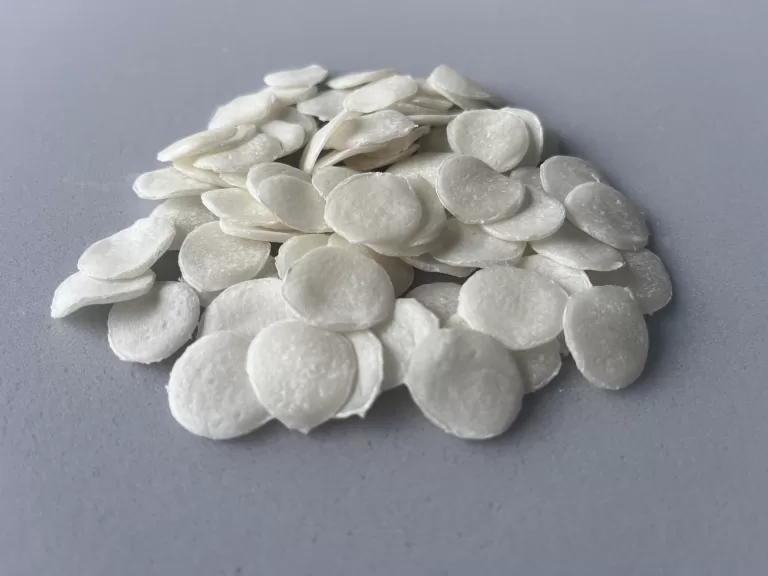
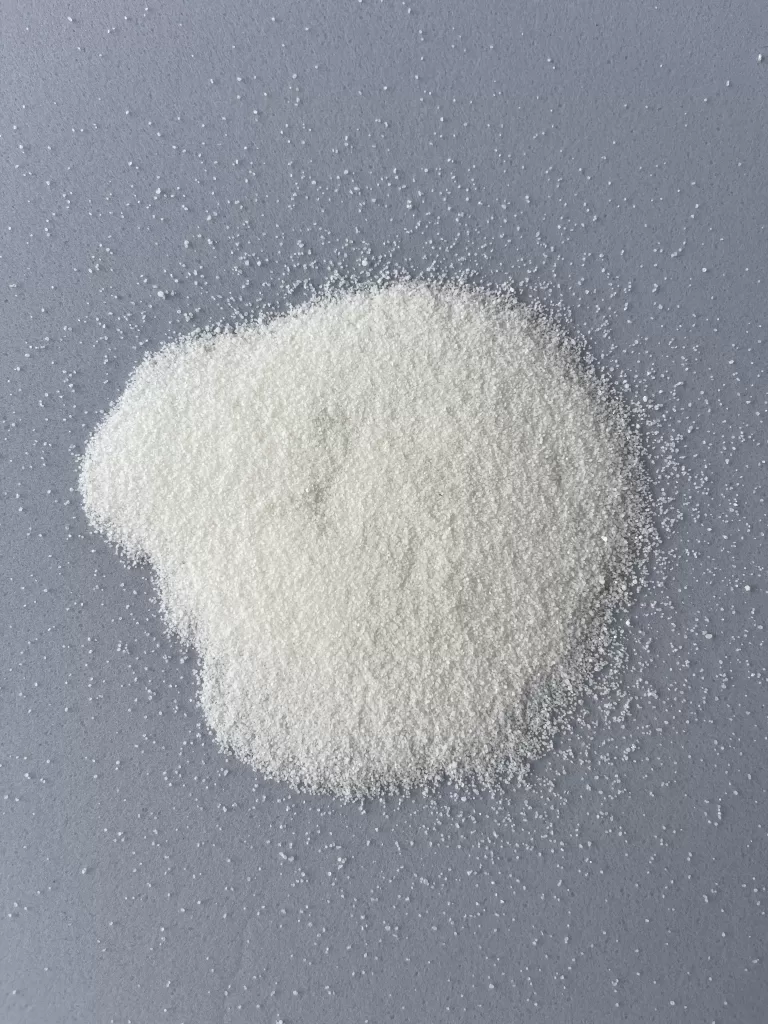
When Engineers Must Choose CSM Rubber
Material selection mistakes rarely fail immediately — they fail after exposure, aging, and environmental stress. Many elastomer failures occur when materials that perform well indoors degrade rapidly outdoors or under chemical exposure.
Engineers typically begin considering CSM rubber grades when they encounter:
- Premature cracking under UV or ozone exposure
- Rapid degradation in salt spray or marine environments
- Sealing failure in chemically aggressive conditions
- Rubber discoloration or instability in outdoor applications
- Flame retardancy limitations in conventional elastomers
CSM rubber is often selected not simply for performance, but for long-term reliability in extreme operating environments.
This guide helps engineers and technical buyers quickly determine:
- When CSM is the preferred elastomer
• Which CSM grade matches each application
• How formulation and processing affect final performance
• How to avoid common material selection failures
What Makes CSM Rubber Different?
Chlorosulfonated Polyethylene (CSM) is a specialty synthetic rubber produced by chemically modifying polyethylene through chlorination and sulfonation. This structure gives CSM a rare combination of durability and environmental resistance.
Key Engineering Advantages
- Exceptional Weather and UV Resistance
CSM maintains mechanical integrity under long-term outdoor exposure, even in high UV environments.
- Superior Chemical Stability
CSM resists acids, alkalis, salt spray, oxidizing agents, and many industrial chemicals.
- Stable Thermal Performance
Typical service temperature range:
- Continuous use: −30°C to +120°C
- Short-term resistance: up to approximately 150°C depending on formulation
- Inherent Flame Retardant Potential
CSM formulations can achieve flame retardancy with lower additive loading compared to many traditional elastomers.
- Excellent Color Retention
CSM supports light-colored or white rubber products, which is essential in marine, architectural, and specialty applications.
CSM vs Traditional Elastomers: When Should Engineers Switch?
Understanding when CSM provides real value helps avoid over-engineering and unnecessary material cost.
| Property | CSM | EPDM | CR (Neoprene) | NBR |
| UV Resistance | Excellent | Good | Moderate | Poor |
| Salt Spray Resistance | Excellent | Moderate | Good | Poor |
| Chemical Resistance | Excellent | Good | Moderate | Good |
| Flame Retardancy | Strong | Limited | Moderate | Limited |
| Outdoor Aging | Excellent | Good | Moderate | Poor |
| Light Color Stability | Excellent | Good | Moderate | Poor |
Engineers commonly switch to CSM when:
- Outdoor durability exceeds 10-year life cycles
- Marine or offshore exposure is present
- Chemical corrosion risks exist
- Fire safety compliance becomes critical
How to Select the Correct CSM Rubber Grade
CSM rubber grades differ primarily in chlorine content, molecular structure, and processing characteristics. These differences directly influence flexibility, chemical resistance, and mechanical strength.
Step 1 — Identify Operating Environment
Marine & Offshore Applications
Recommended Characteristics:
- High chlorine content
- Strong UV and salt spray resistance
- Long-term weather durability
Typical Products:
- Marine cable sheathing
- Offshore sealing components
- Ship deck protection materials
Industrial Chemical Exposure
Recommended Characteristics:
- High chemical resistance
- Stable crosslinking structure
- Low permeability
Typical Products:
- Chemical plant gaskets
- Corrosion-resistant linings
- Industrial sealing membranes
Automotive & Transportation
Recommended Characteristics:
- Good heat resistance
- Dynamic fatigue durability
- Oil and fluid resistance
Typical Products:
- Engine compartment seals
- Cable insulation systems
- Vibration damping rubber parts
Infrastructure & Construction
Recommended Characteristics:
- Long-term outdoor aging stability
- Structural mechanical strength
- Flame retardant capability
Typical Products:
- Expansion joints
- Waterproof roofing membranes
- Outdoor insulation and protection layers
YQXPOLYMER CSM Grade Selection Map
To simplify engineering decisions, YQXPOLYMER organizes CSM rubber grades into functional performance categories.
High Elasticity CSM Grades
Designed for dynamic applications requiring flexibility and vibration damping.
Best suited for:
- Automotive sealing
- Flexible hose covers
- Shock absorption components
High Chemical Resistance Grades
Designed for aggressive chemical and marine environments.
Best suited for:
- Marine cables
- Offshore rubber components
- Chemical containment systems
High Strength Sheet Rubber Grades
Engineered for structural load-bearing and mechanical durability.
Best suited for:
- Industrial rubber sheets
- Gaskets and protective liners
- Conveyor and equipment protection
Spray Grade CSM Powder
Designed for coating and adhesive formulations.
Best suited for:
- Industrial protective coatings
- Textile rubber coatings
- Waterproof flexible membranes
Common Material Failure Risks When Selecting Elastomers
Understanding real-world failure scenarios helps engineers improve long-term reliability.
Failure Scenario 1 — EPDM Degradation in Marine Applications
EPDM often shows strong initial elasticity but may degrade under continuous salt spray and UV exposure, leading to surface cracking and sealing failure.
Failure Scenario 2 — CR Aging Instability Outdoors
CR rubber provides balanced performance but may lose elasticity under long-term UV and ozone exposure.
Failure Scenario 3 — NBR UV Instability
NBR offers strong oil resistance but typically shows poor outdoor aging performance, limiting its use in exterior environments.
CSM is frequently selected when multiple environmental stress factors occur simultaneously.
Processing and Formulation Considerations
CSM rubber supports multiple manufacturing processes, making it adaptable to various product designs.
Processing Methods
- Compression molding
- Extrusion
- Calendering
- Spray coating
- Adhesive and compound formulation
Compounding Flexibility
CSM formulations can be engineered through:
- Reinforcing fillers for strength improvement
- Plasticizers for flexibility optimization
- Flame retardants for fire safety compliance
- Stabilizers for extended weather resistance
Proper formulation design allows engineers to customize mechanical, chemical, and thermal properties.
2026 Industry Trends Driving CSM Adoption
Several global market trends continue expanding CSM applications:
Offshore Energy Expansion
Wind power and offshore oil infrastructure require long-life corrosion-resistant elastomers.
Electrification and Infrastructure Growth
Transportation electrification and power infrastructure demand durable cable insulation materials.
Industrial Safety Regulations
Fire safety and environmental durability requirements continue to increase material performance standards.
Lifecycle Cost Optimization
Manufacturers increasingly focus on materials that reduce maintenance and replacement frequency.
How YQXPOLYMER Supports Engineering Development
YQXPOLYMER provides technical collaboration across the full product development cycle:
- Application-specific CSM grade development
• Compound formulation support
• Processing optimization guidance
• Compliance and regulatory documentation support
• Stable global supply chain service
Our engineering team works closely with customers to improve product reliability and manufacturing efficiency.
Engineering Checklist for Selecting CSM Rubber Grades
Before final material selection, engineers should evaluate:
✔ Operating temperature range
✔ UV and ozone exposure conditions
✔ Chemical exposure risk
✔ Mechanical load requirements
✔ Processing method compatibility
✔ Regulatory and flame retardancy requirements
Conclusion: CSM as a Long-Term Reliability Elastomer
CSM rubber grades remain one of the most reliable elastomer solutions for applications exposed to harsh environmental and chemical conditions. As industrial performance expectations increase in 2026, selecting the correct elastomer becomes a strategic engineering decision rather than simply a material choice.
YQXPOLYMER continues developing advanced chlorosulfonated polyethylene solutions designed to support global manufacturers in demanding operating environments.
About YQXPOLYMER
YQXPOLYMER specializes in high-performance elastomer materials, focusing on chlorosulfonated polyethylene (CSM), epoxy resin systems, and advanced industrial polymer solutions for global manufacturing industries.
📩 Contact YQXPOLYMER
Email: [email protected]
Phone / WeChat: +86-135-4070-2776
Website: www.yqxpolymer.com