Introduction
Rubber hoses used in automotive, industrial and chemical environments are continuously exposed to aggressive operating conditions.
Typical challenges include:
- Oil contamination
- Ozone attack
- UV exposure
- Temperature fluctuations
- Chemical contact
- Mechanical stress and vibration
Traditional rubber materials often experience accelerated aging because their molecular structures contain unsaturated double bonds that are vulnerable to ozone degradation.
CSM (Chlorosulfonated Polyethylene) provides a solution by combining:
- Saturated polyethylene backbone
- Chlorine-containing structure
- Sulfonyl chloride functional groups
This unique structure enables CSM rubber to deliver excellent resistance against ozone, weathering and chemical environments.
What is CSM Rubber?
Product Definition
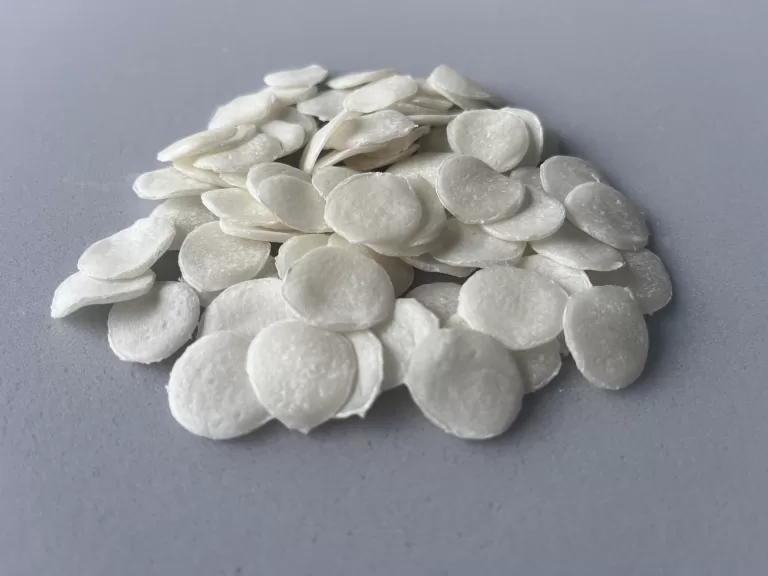
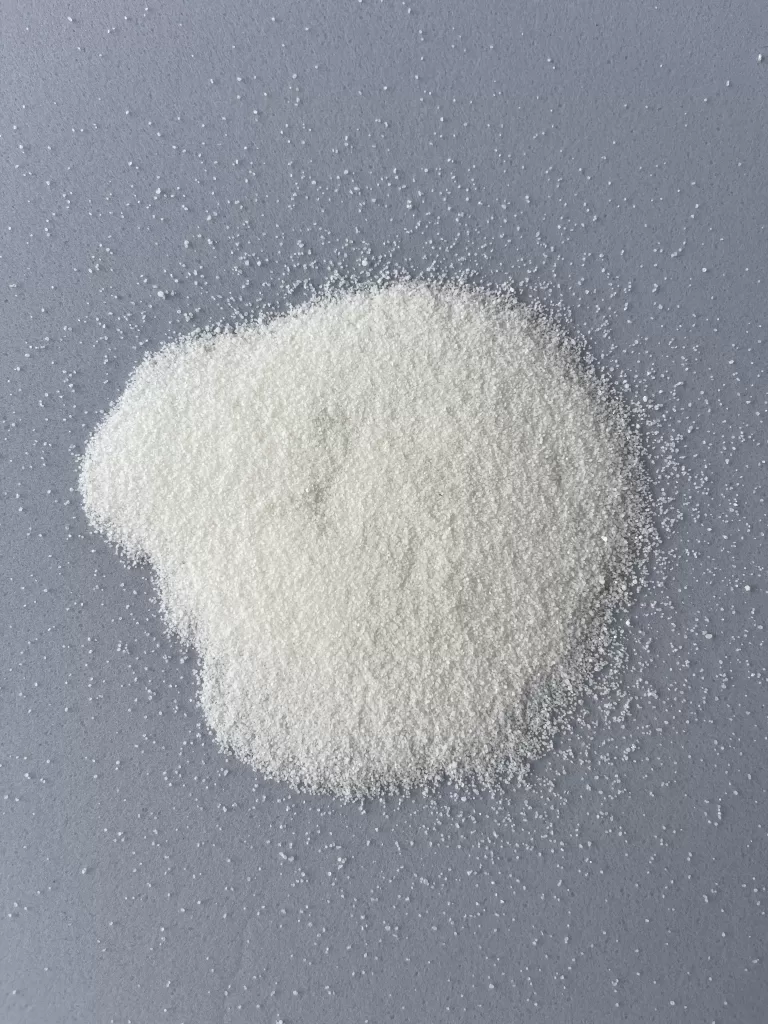
CSM, also known as Chlorosulfonated Polyethylene rubber, is a specialty synthetic elastomer produced by chlorosulfonation modification of polyethylene.
The modification introduces:
- Chlorine groups
- Sulfonyl chloride groups
into the polyethylene molecular chain.
These functional groups improve:
- Polymer polarity
- Chemical resistance
- Adhesion properties
- Crosslinking capability
Unlike natural rubber and other diene-based elastomers, CSM contains a highly saturated main chain, significantly reducing ozone attack.
Product Positioning
High Performance Elastomer for Durable Hose Applications
CSM is positioned as a premium elastomer solution for applications requiring:
- Long service life
- Excellent outdoor durability
- Oil and chemical resistance
- Flame retardant capability
- Stable mechanical properties
Typical applications:
- Industrial rubber hoses
- Automotive hose covers
- Protective tubing
- Chemical-resistant liners
- Electrical and cable protection
Application Scenarios
System Level
Automotive Fluid Systems
CSM rubber can be used as:
- External protective hose layer
- Engine compartment hose covering
- Cooling and thermal management system components
Benefits:
- Resistance to ozone exposure
- Protection against oil contamination
- Long-term weather durability
Industrial Equipment Systems
Applications include:
- Hydraulic equipment
- Compressors
- Chemical processing equipment
- Outdoor machinery
CSM helps improve:
- Hose lifetime
- Environmental resistance
- Maintenance intervals
Component Level
CSM Rubber Hose Structure Design
A typical high-performance hose may include:
Inner Layer
Selected according to media requirements:
- NBR for oil contact
- EPDM for coolant applications
- FKM for extreme chemical resistance
Reinforcement Layer
Provides:
- Pressure resistance
- Dimensional stability
Outer Cover Layer
CSM provides:
- Ozone resistance
- UV protection
- Weather resistance
- Mechanical protection
Function Level
- Ozone Protection
Ozone cracking is one of the major failure mechanisms of outdoor rubber products.
Unsaturated rubber:
NR / SBR
contains:
- Carbon-carbon double bonds
which react with ozone and cause:
- Surface cracking
- Loss of elasticity
- Mechanical failure
CSM structure:
- Highly saturated polymer backbone
reduces ozone attack and improves long-term durability.
- Oil Resistance
CSM provides good resistance against:
- Mineral oils
- Lubricants
- Hydraulic fluids
- Industrial chemicals
Oil resistance is improved through:
- Higher chlorine content
- Proper crosslink density
- Compatible plasticizer selection
Technical Snippets
Typical CSM Rubber Hose Formulation Design
(phr)
| Material | Amount | Function |
| CSM Polymer | 100 | Base elastomer |
| Carbon Black N550 | 40–60 | Reinforcement |
| Silica | 10–20 | Mechanical improvement |
| MgO | 5–8 | Acid acceptor |
| ZnO | 3–5 | Cure activation |
| TOTM Plasticizer | 20–50 | Flexibility improvement |
| ATH / MDH | 50–120 | Flame retardancy |
| Antioxidant | 1–3 | Aging protection |
Industry Segments
Automotive Industry
Applications:
- Engine compartment hoses
- Thermal management systems
- Protective tubing
Key requirements:
- Ozone resistance
- Heat aging resistance
- Oil contamination resistance
New Energy Vehicle Industry
Growing applications:
- Battery thermal management
- High-voltage cable protection
- Charging infrastructure components
CSM provides:
- Long outdoor lifetime
- Flame-retardant formulation compatibility
- Stable mechanical performance
Industrial and Chemical Equipment
Applications:
- Chemical hoses
- Air compressor hoses
- Hydraulic protection sleeves
Engineering Suggestions
- Balance Oil Resistance and Flexibility
Increasing chlorine content improves oil resistance but may reduce:
- Low-temperature flexibility
- Processing performance
Therefore, compound design should balance:
- Polymer grade
- Plasticizer type
- Filler loading
- Optimize Flame Retardant Formulation
For low smoke applications:
Recommended combination:
- ATH
- MDH
- Zinc borate
- Low-smoke additives
Avoid excessive filler loading because it may reduce:
- Tensile strength
- Elongation
- Dynamic fatigue resistance
Safety / Limitations
Although CSM provides excellent environmental resistance, compound design must consider:
Temperature Limitation
CSM is suitable for many high-temperature applications, but extreme temperature environments may require:
- FKM
- Silicone rubber
- Special elastomers
Media Compatibility
Before final application, testing should be performed with:
- Actual oil type
- Chemical media
- Operating temperature
Processing Considerations
Proper control is required for:
- Mixing temperature
- Cure system
- Filler dispersion
Conclusion
CSM rubber is a high-performance elastomer offering an excellent combination of:
- Outstanding ozone resistance
- Superior weather durability
- Good oil resistance
- Chemical stability
- Flame retardant compatibility
For rubber hose manufacturers, CSM provides a reliable solution for applications where long-term outdoor exposure and harsh chemical environments are expected.
With optimized formulation design, CSM can significantly extend hose service life and improve system reliability in automotive, industrial and energy applications.
FAQ (Search Intent Version)
What is CSM rubber used for?
CSM rubber is commonly used for industrial hoses, automotive components, protective tubing, seals and outdoor rubber products requiring excellent ozone and weather resistance.
Is CSM rubber oil resistant?
Yes. CSM provides good resistance to many mineral oils, lubricants and industrial fluids. Performance depends on polymer grade and formulation design.
Why is CSM better than NR for outdoor applications?
CSM has a saturated molecular backbone, making it much more resistant to ozone cracking and weather aging compared with natural rubber.
Can CSM rubber be flame retardant?
Yes. CSM compounds can be formulated with ATH, MDH and other flame retardant fillers to achieve improved fire performance.
What tests are used for CSM rubber hoses?
Common tests include:
- ASTM D471 Oil Resistance Test
- ASTM D1149 Ozone Resistance Test
- ASTM D573 Heat Aging Test
- ASTM D395 Compression Set Test
CTA (Application-driven)
Looking for a High Performance Rubber Solution?
YDN CSM elastomers provide a reliable material platform for:
- Oil-resistant rubber hoses
- Ozone-resistant outdoor components
- Flame-retardant industrial applications
- Automotive and energy systems
Contact our technical team for CSM grade selection, formulation optimization and application support.