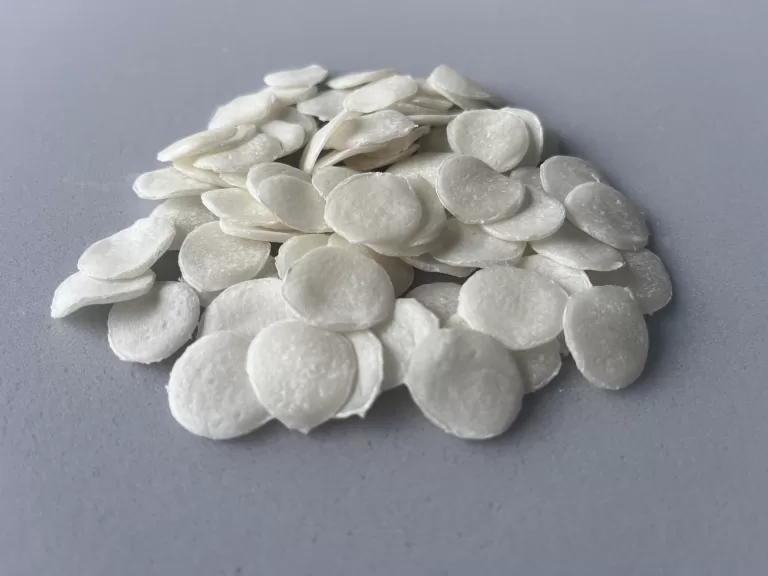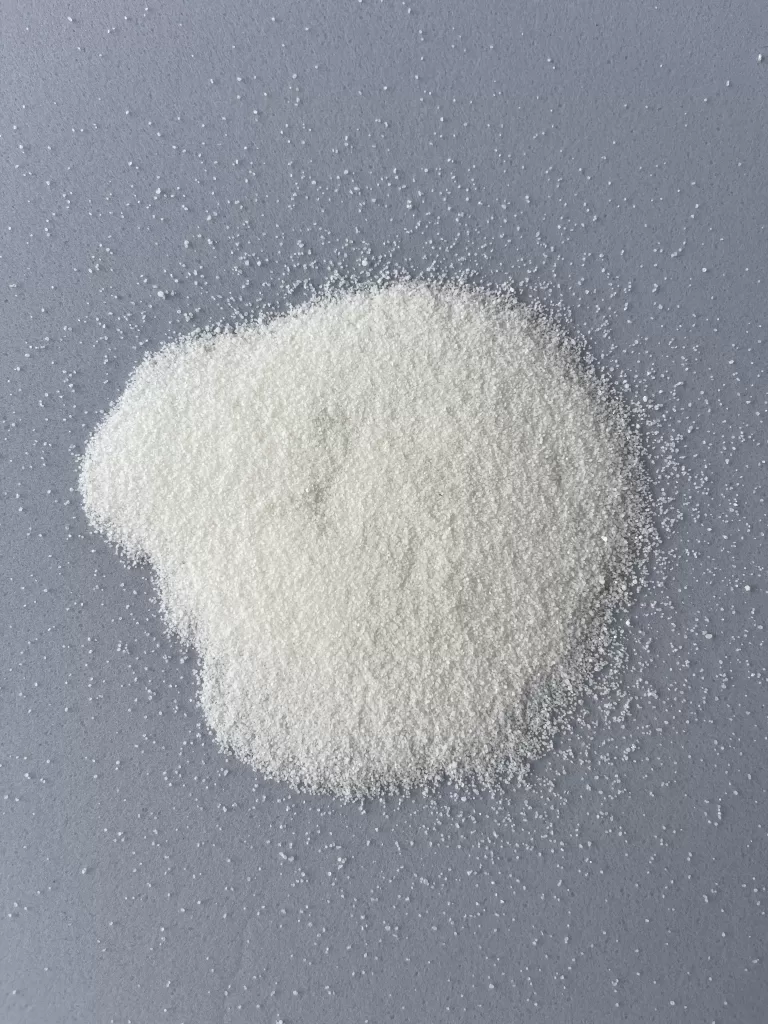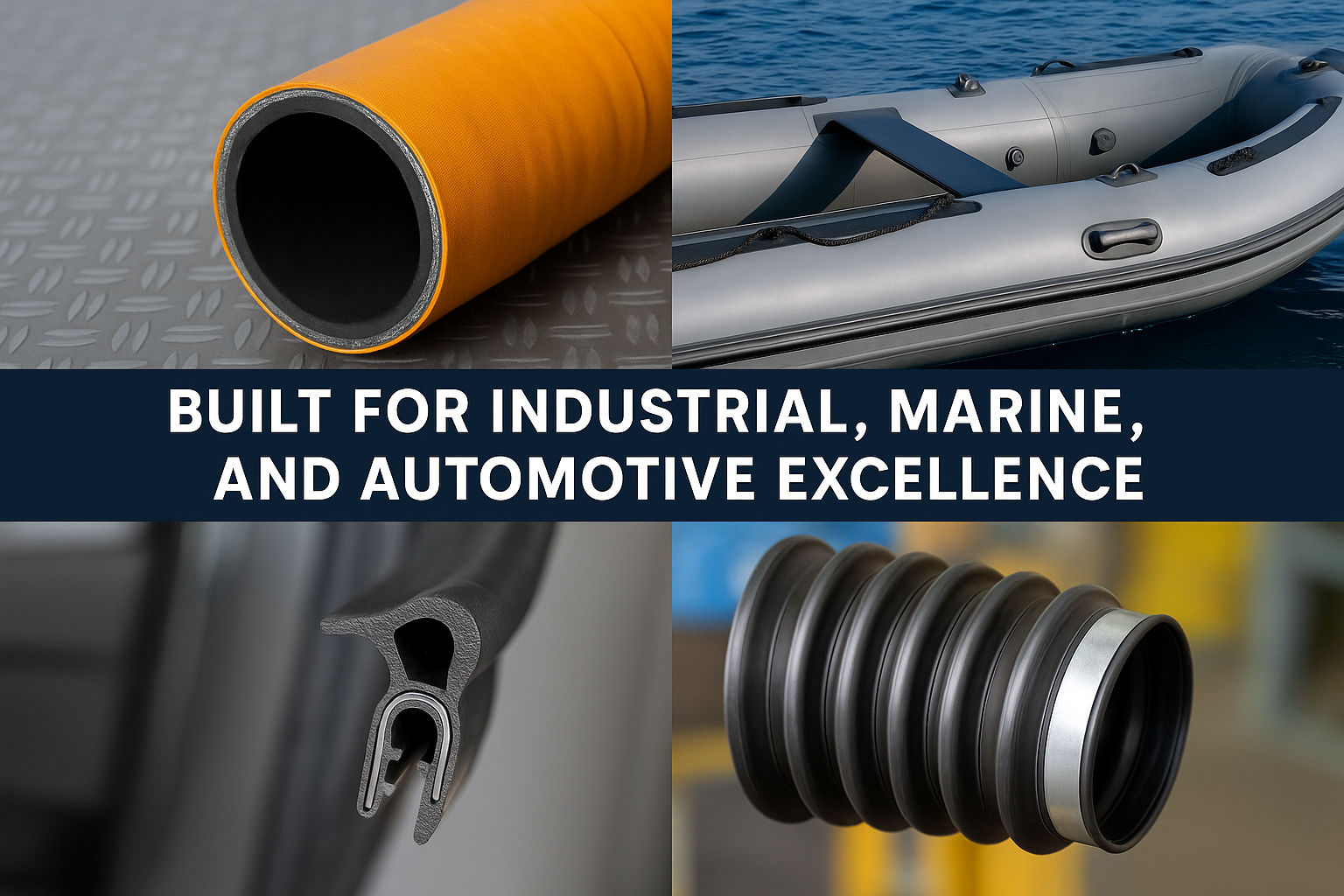
CSM Rubber Sheet and Gasket Applications
Engineering-Driven Grade Selection with YQX-CSM™ 403 / 803 / 903
Author / Brand: YQXPOLYMER
Application Category: Rubber Sheet / Industrial Gasket
Recommended Grades: YQX-CSM™ 403 · 803 · 903
- Why Rubber Sheets and Gaskets Are “Low-Profile but High-Risk” Components
In industrial systems, rubber sheets and gaskets rarely attract attention—until they fail.
Unlike dynamic rubber parts, these components are expected to:
- Maintain sealing integrity under constant compression
- Withstand chemical exposure over extended periods
- Remain dimensionally stable through thermal cycles
- Perform reliably with minimal maintenance or replacement
From an engineering perspective, this leads to a critical truth:
For rubber sheet and gasket applications, long-term stability matters more than peak performance values.
Materials that perform well in short-term laboratory tests but exhibit unpredictable aging, swelling, or embrittlement often become liabilities in real-world sealing systems.
This is where CSM (Chlorosulfonated Polyethylene) continues to play a key role.
- Why CSM Is Widely Used for Rubber Sheet and Gasket Applications
CSM is not selected because it excels at a single extreme property.
It is selected because it provides a balanced and predictable performance envelope.
2.1 Chemical Resistance Without Excessive Trade-Offs
For rubber sheets and gaskets, exposure conditions often include:
- Oils and lubricants
- Coolants and process fluids
- Dilute acids and alkalis
- Mixed or undefined industrial chemicals
CSM offers broad chemical tolerance, reducing the risk of sudden swelling, softening, or cracking when operating conditions change slightly from the original design assumptions.
2.2 Controlled Aging Behavior
Long service life requires materials that age slowly and uniformly, rather than unpredictably.
CSM is valued for its resistance to:
- Ozone and atmospheric exposure
- UV radiation (especially in outdoor installations)
- Thermal aging under continuous compression
This makes CSM particularly suitable for static sealing components designed for multi-year service cycles.
2.3 Processing Stability and Manufacturing Repeatability
From a production standpoint, rubber sheets and gaskets demand:
- Stable calendering or molding behavior
- Predictable curing response
- Low batch-to-batch variation
CSM’s processing window is well-established, supporting repeatable compound behavior and reducing variability in large-scale manufacturing.
- Engineering Logic Behind YQX-CSM™ Grade Selection
Within the YQX-CSM™ portfolio, grades 403, 803, and 903 are recommended for rubber sheet and gasket applications—not as a “good-better-best” ladder, but as application-oriented material solutions.
- YQX-CSM™ 403
Processing-Friendly CSM for General Rubber Sheet Applications
Typical Use Cases
- General-purpose rubber sheets
- Standard industrial gaskets
- Applications with moderate chemical exposure
Engineering Characteristics
- Balanced molecular structure
- Good compatibility with conventional rubber compounding systems
- Smooth mixing and calendering behavior
Why Choose 403?
YQX-CSM™ 403 is often selected when manufacturing stability and cost control are primary considerations.
It provides reliable baseline performance while remaining flexible for formulation adjustments.
Recommended When
- The operating environment is well understood
- Processing efficiency and yield consistency are critical
- The application does not require enhanced resistance margins
- YQX-CSM™ 803
Enhanced Chemical Stability for More Demanding Sealing Systems
Typical Use Cases
- Chemical equipment rubber sheets
- Gaskets for fluid handling systems
- Cooling and industrial circulation systems
Engineering Characteristics
- Improved resistance to chemical media
- Better retention of physical properties over time
- Suitable for more complex service environments
Why Choose 803?
YQX-CSM™ 803 is designed for applications where long-term exposure conditions are variable or uncertain.
It offers an additional safety margin without sacrificing processing control.
Recommended When
- Gaskets are expected to operate in mixed or changing media
- Downtime or replacement is costly
- Service life expectations are clearly defined
- YQX-CSM™ 903
Long-Term Environmental Stability for High-Reliability Gaskets
Typical Use Cases
- Outdoor or semi-outdoor sealing systems
- Equipment exposed to ozone, UV, or harsh environments
- Industrial systems designed for extended service intervals
Engineering Characteristics
- Emphasis on aging resistance and durability
- Stable mechanical behavior over prolonged periods
- Suitable for applications where maintenance access is limited
Why Choose 903?
YQX-CSM™ 903 is selected when predictability over the full lifecycle is more important than short-term cost optimization.
Recommended When
- Replacement frequency must be minimized
- Environmental exposure is unavoidable
- System reliability has priority over material cost
- Practical Grade Selection: Asking the Right Questions
Instead of focusing solely on “what the material resists,” engineers are encouraged to consider:
- How long is the gasket expected to remain in service?
- What happens if operating conditions drift outside the design range?
- Is processing stability or performance margin more critical?
- What is the real cost of replacement or failure?
In many cases, the optimal CSM grade is the one that reduces uncertainty, not the one with the most aggressive specification.
- YQXPOLYMER’s Positioning: Engineering-Oriented Material Support
YQXPOLYMER supplies YQX-CSM™ materials with a focus on:
- Application-based grade recommendation
- Support for compound and process adaptation
- Long-term supply consistency for industrial customers
Our goal is to support repeatable manufacturing and predictable field performance, rather than one-time laboratory optimization.
Contact Information
Website: www.yqxpolymer.com
Email: [email protected]
Tel / WeChat: +86-135-4070-2776
Compliance & Disclaimer Statement
The information provided in this article is for general engineering reference only and does not constitute a performance guarantee or application-specific certification.
Final material selection, compound formulation, processing conditions, and product compliance remain the responsibility of the manufacturer and end user.
YQXPOLYMER recommends that all materials be evaluated under actual operating conditions and in accordance with applicable industry standards and regulatory requirements.