Introduction: Why CSM / Hypalon® Matters
Chlorosulfonated polyethylene (CSM), historically known as Hypalon®, is a specialty elastomer prized for chemical resistance, UV stability, and exceptional weathering. From marine coatings to containment systems, choosing the right grade is critical for long-term performance. This guide helps engineers and designers navigate the key factors when specifying CSM for industrial applications.
 070
070
Explore our CSM product range → YQXPOLYMER CSM Grades
- Chemical and Weather Resistance
Key Insight: Evaluate the exact chemical environment—acids, alkalis, fuels, or oxidizing agents.
- CSM provides superior resistance to ozone, UV, and harsh weather compared to conventional EPDM or CR rubbers.
- For continuous outdoor exposure (e.g., marine fenders or roofing membranes), CSM retains tensile strength and elasticity for decades.
Tip: CSM Chemical Compatibility Chart.
- Mechanical Properties and Design Requirements
Consider:
- Hardness & Tensile Strength: Ensure the selected grade meets required Shore A and MPa targets.
- Flexibility: Applications such as inflatable structures or expansion joints need low-temperature flexibility.
- Abrasion Resistance: For conveyor belts or protective coatings, request lab data to confirm wear performance.
Learn more about our testing standards → YQXPOLYMER Technical Data
- Processing and Fabrication
- Compounding Flexibility: CSM blends well with CR, EPDM, or NBR to optimize cost and performance.
- Curing Systems: Peroxide or metal-oxide curing impacts heat resistance and crosslink density.
- Color Stability: CSM’s inherent white base allows vibrant, long-lasting color options—important for architectural and consumer goods.
- Regulatory & Safety Compliance
Global projects demand materials that meet REACH, RoHS, and UL94 fire standards. YQXPOLYMER provides:
- Third-party certification for low halogen content
- Documentation for ISO 9001 and environmental compliance
Download certificates → Compliance & Safety Documents
- Cost vs. Lifecycle Value
While CSM’s unit price can exceed standard rubbers, lower maintenance and extended service life reduce total cost of ownership. Evaluate:
- Expected lifespan in your application
- Replacement and downtime costs
- Performance under extreme conditions (high UV, chemical splash, or temperature swings)
Why Partner with YQXPOLYMER
YQXPOLYMER specializes in high-purity, spray-grade CSM for demanding sectors:
- Marine & Offshore – chemical liners, tank coatings, inflatable boats
- Infrastructure & Roofing – membranes, expansion joints
- Transportation – seals, gaskets, and protective coatings
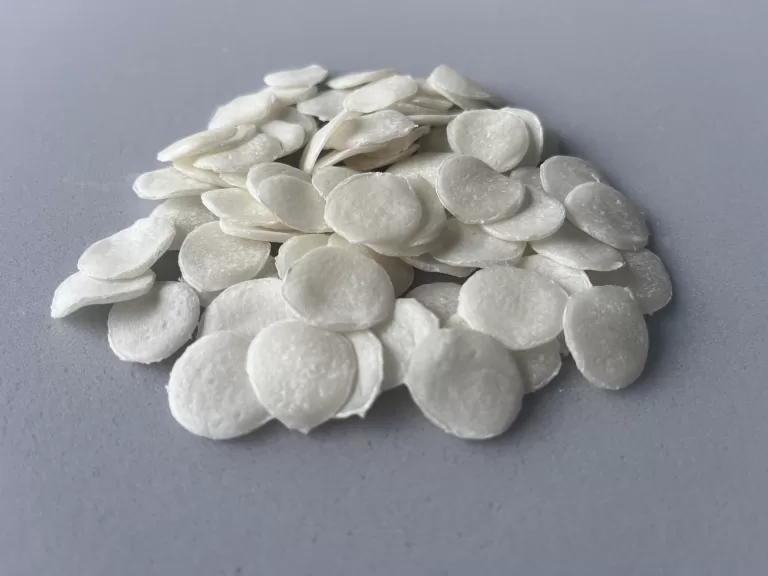
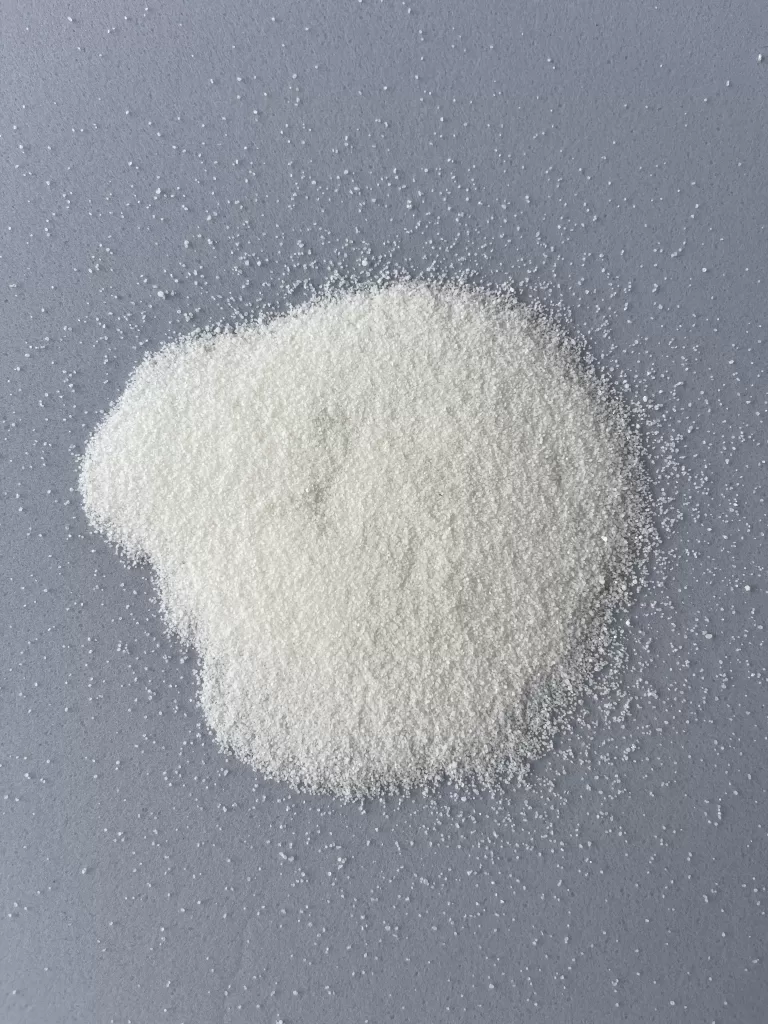
Each grade—like our YQX-CSM-30L—is engineered for consistent viscosity, controlled particle size, and easy dispersion.
Key Takeaways
When selecting CSM / Hypalon®:
- Match the chemical profile of the environment.
- Align mechanical properties with design requirements.
- Verify compliance with international standards.
- Balance upfront cost with long-term durability.
Choosing the right partner ensures these factors are fully addressed.
Ready to specify CSM for your project?
Contact our technical team for a customized recommendation:
Email: [email protected] | Phone/WeChat: +86-135-4070-2776