YQXPOLYMER Technical Resources bring together material fundamentals, processing, chemical-resistance guidance, comparisons and application engineering for CSM and epichlorohydrin rubber.
Resource paths
Downloads
Controlled TDS/SDS and technical documents should be requested or published only when current.
How to use these resources
- Start with the polymer-family guide when you are comparing material chemistry and general performance.
- Use Material Comparisons when choosing between CSM/ECO and common alternatives such as EPDM, NBR, CR, ACM, HNBR or FKM.
- Use Processing Guides for compounding, cure-system and manufacturing considerations.
- Use Chemical Resistance and Application Engineering resources to define media, temperature, component duty and validation requirements.
- Request the current controlled TDS/SDS whenever a material moves from screening into formal qualification.
Latest focused resources
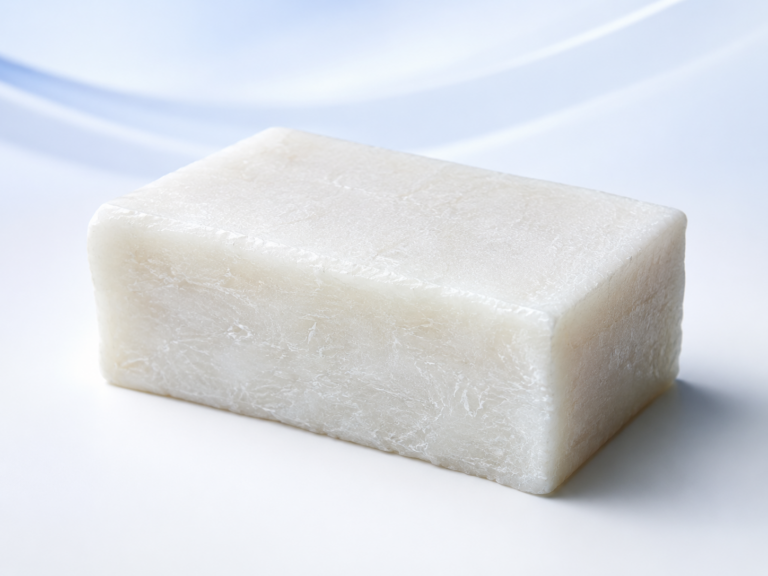
Epichlorohydrin Rubber Permeability: CO vs ECO for Fuel Systems
Learn why epichlorohydrin rubber offers low fuel-vapor permeability, how CO and ECO differ, and how to select elastomers for fuel hose, seals and barrier…
Read article →CO vs ECO vs GECO: Epichlorohydrin Rubber Selection Guide | YQXPOLYMER
Compare CO, ECO, and GECO epichlorohydrin rubber by polymer structure, permeability, fuel resistance, flexibility, dynamic sealing, and typical applications. Learn how to select the…
Read article →
Solution Viscosity vs Mooney Viscosity in CSM Rubber: Why They Should Not Be Compared Directly
Learn why solution viscosity and Mooney viscosity in CSM rubber measure different properties and how to use them correctly when selecting CSM grades.
Read article →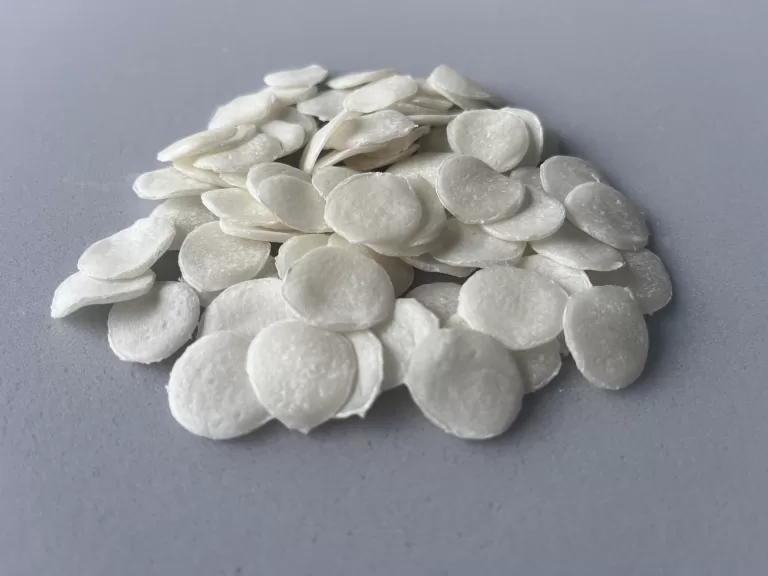
High-Mooney CSM Rubber: When Should You Choose YQX-CSM-30H?
YQX-CSM-30H is positioned as a high-Mooney chlorosulfonated polyethylene (CSM) grade for industrial rubber processing, particularly where a customer is evaluating higher-viscosity CSM for applications…
Read article →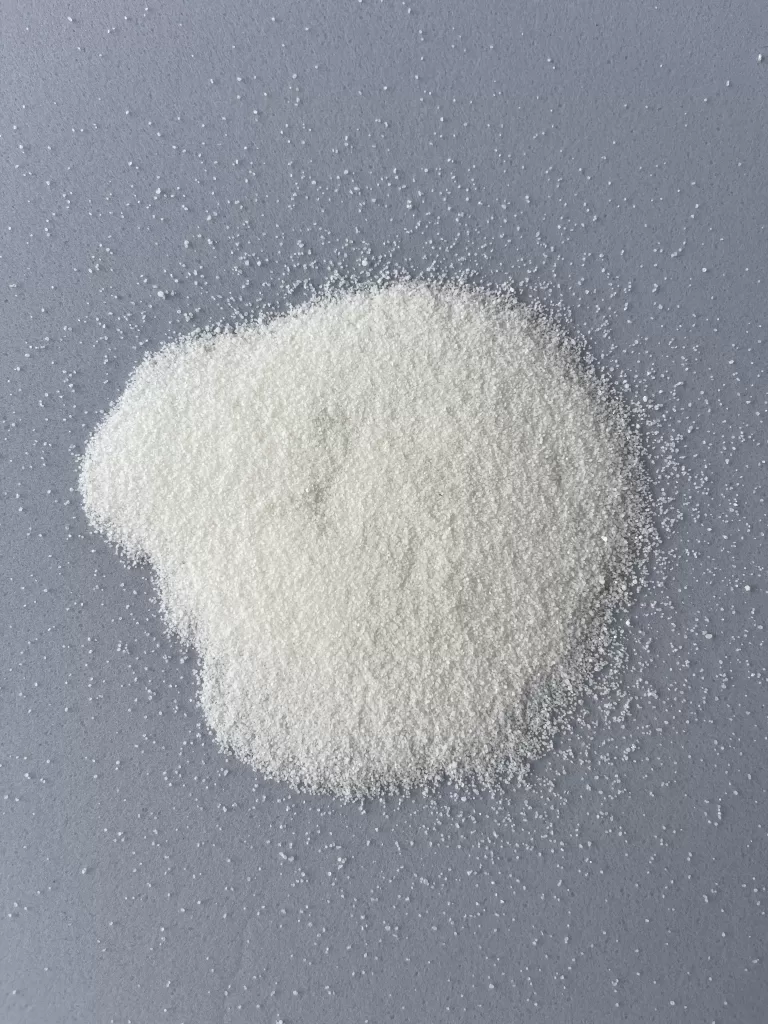
How Chlorine Content and Viscosity Affect CSM Grade Selection | YQXPOLYMER
CSM grade selection should not be based on grade number alone. Chlorine content, viscosity, physical form and intended processing route all influence whether a…
Read article →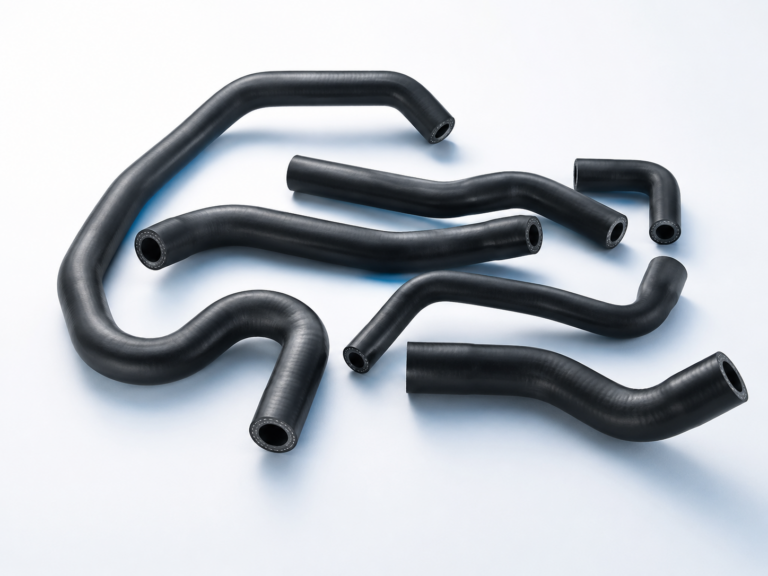
Chlorohydrin Rubber vs NBR vs EPDM vs FKM | Elastomer Selection Guide
Chlorohydrin Rubber vs NBR vs EPDM vs FKM: Complete Elastomer Selection Guide How Engineers Choose the Right Rubber Material for Fuel, Oil, Heat and…
Read article →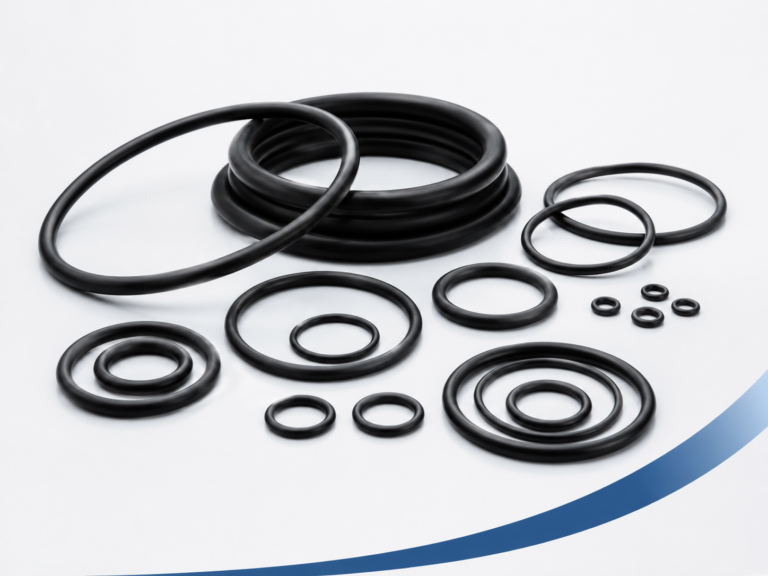
Epichlorohydrin Elastomer Explained: Fuel Resistant Specialty Rubber for Automotive Sealing Applications | YQXPOLYMER
Epichlorohydrin Elastomer Explained: A Specialty Rubber for Fuel Resistance and High-Performance Sealing Applications Introduction: Why Specialty Elastomers Are Needed in Modern Automotive Systems Automotive…
Read article →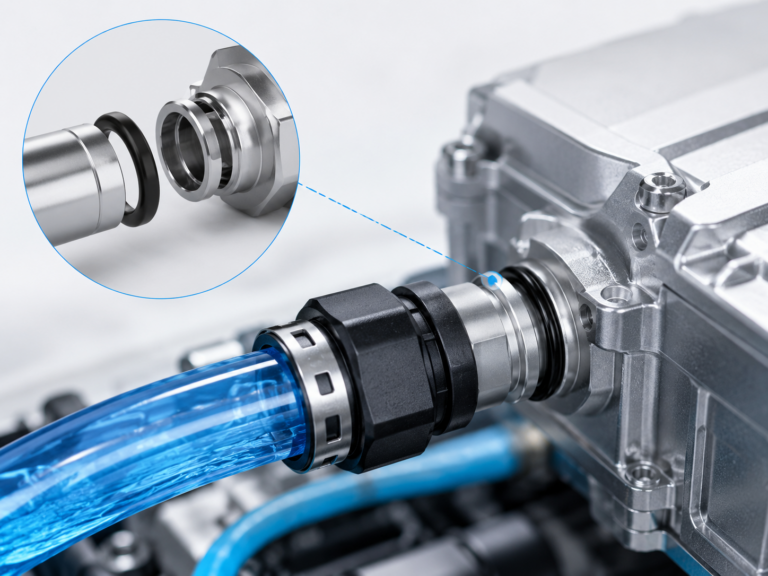
Automotive Elastomer Solutions for Fuel Systems, Sealing and EV Thermal Management | YQXPOLYMER™
Automotive Elastomer Solutions for Fuel Systems, Sealing and EV Thermal Management Advanced Elastomer Technologies for Next-Generation Mobility Introduction The automotive industry is experiencing a…
Read article →CSM Rubber Hose Performance: Deep Analysis of Oil Resistance, Ozone Resistance and Formulation Design
Introduction Rubber hoses used in automotive, industrial and chemical environments are continuously exposed to aggressive operating conditions. Typical challenges include: Oil contamination Ozone attack…
Read article →